- What is IV Ketamine Therapy?
- What Happens Before Your First IV Infusion Session?
- What Does the Full Treatment Schedule Look Like?
- Final Thoughts: Knowing What to Expect Makes the First Session Easier
- FAQs About IV Ketamine Therapy

IV ketamine therapy typically involves a series of low-dose infusions that create a temporary dissociative, dreamlike state. Clinics use this approach to treat conditions like depression, anxiety, post-traumatic stress disorder (PTSD), and chronic pain, especially when other treatments have not worked. Each session follows an evidence-based process that includes preparation, a 40-minute infusion, and a short recovery period.
This guide walks you through exactly what happens during ketamine therapy and what the experience may feel like at each step.
What is IV Ketamine Therapy?
Ketamine therapy is the process of taking one or more low to moderate amounts of the dissociative anesthetic drug for mental health issues (depression, anxiety, burnout, PTSD) or chronic pain. Most protocols include four to eight sessions.
Therapy doses are sub-anesthetic, meaning they are far lower than what physicians administer in surgery and do not put you to sleep. Instead, ketamine treatment creates a mild psychedelic shift in perception and brain activity that helps “reset” certain neural pathways.
In clinical settings, you’ll receive IV infusions from trained providers, like nurses and anesthesiologists. Providers monitor you for about 40 minutes to an hour, followed by a brief recovery afterward.
You may start to experience relief from depression, anxiety, or PTSD within hours to days of the first ketamine treatment. Others begin to feel better after three to eight doses.
How Does Ketamine Therapy Work?

Ketamine therapy works for mental health and chronic pain by rapidly strengthening connections between brain regions that improve mood and adaptability, and helping the brain grow new neurons.
Ketamine treatment may also support depression relief through dissociative effects, helping you detach from cycles of constant fear and worry.
The Glutamate Effect
- Ketamine blocks the N-methyl-D-aspartate (NMDA) receptor, which changes how your brain uses glutamate, a chemical that helps brain cells send messages to each other.
- This shift rebalances how those messages move through the brain. Areas linked to low mood become more active, while circuits tied to stress and overthinking begin to calm down.
- Brain cells start communicating more effectively, which helps you think more clearly and respond differently to stress.
- Additionally, the brain begins forming new connections between cells, creating new pathways rather than relying on the same negative loops. Many of these changes begin within 24 hours.
- As these changes take hold, it becomes easier to shift out of patterns like rumination, hopelessness, and emotional reactivity.
How Dissociation Can Help
- Ketamine creates a temporary dissociative state that often feels like floating, deep relaxation, or a slight detachment from your body and surroundings.
- Your thoughts may slow down or feel quieter, and the constant mental “noise” of worry or self-criticism can fade into the background.
- Many people notice that painful memories or emotions feel less overwhelming, as if they were watching them from a distance rather than being inside them.
- This shift gives your brain a break from looping thoughts and emotional reactivity, creating space for new insights or a different way of seeing things.
- These changes are temporary, but they often make it easier to return to everyday thinking with more flexibility, less intensity, and a greater sense of control.
What Happens Before Your First IV Infusion Session?
Before your first infusion session, you’ll typically consult with a ketamine clinic near you to determine whether ketamine is right for you. After that meeting, you’ll visit the center for a screening. During this appointment, a nurse or physician will ask you questions and take your vital signs.

This screening at Avesta Ketamine and Wellness (Avesta) usually includes:
- A review of your mental health symptoms, history, and prior treatments
- A discussion of your current medications and any potential interactions
- A basic medical history, including heart health, blood pressure, and neurological conditions
- Vital signs such as blood pressure, heart rate, and oxygen levels
- A conversation about your goals, expectations, and what you hope to get from treatment
- Time to ask questions about the experience, safety, and protocol
Most people who are in generally good health or have well-managed conditions can qualify for treatment. Once approved, you’ll move forward with scheduling your initial round of infusions.
Step 1: Arriving at the Clinic for Treatment
When you arrive for your appointment, the ketamine care team will check you in and bring you to your treatment space. A nurse will take your vital signs again, including blood pressure and heart rate, to make sure everything looks stable before starting.
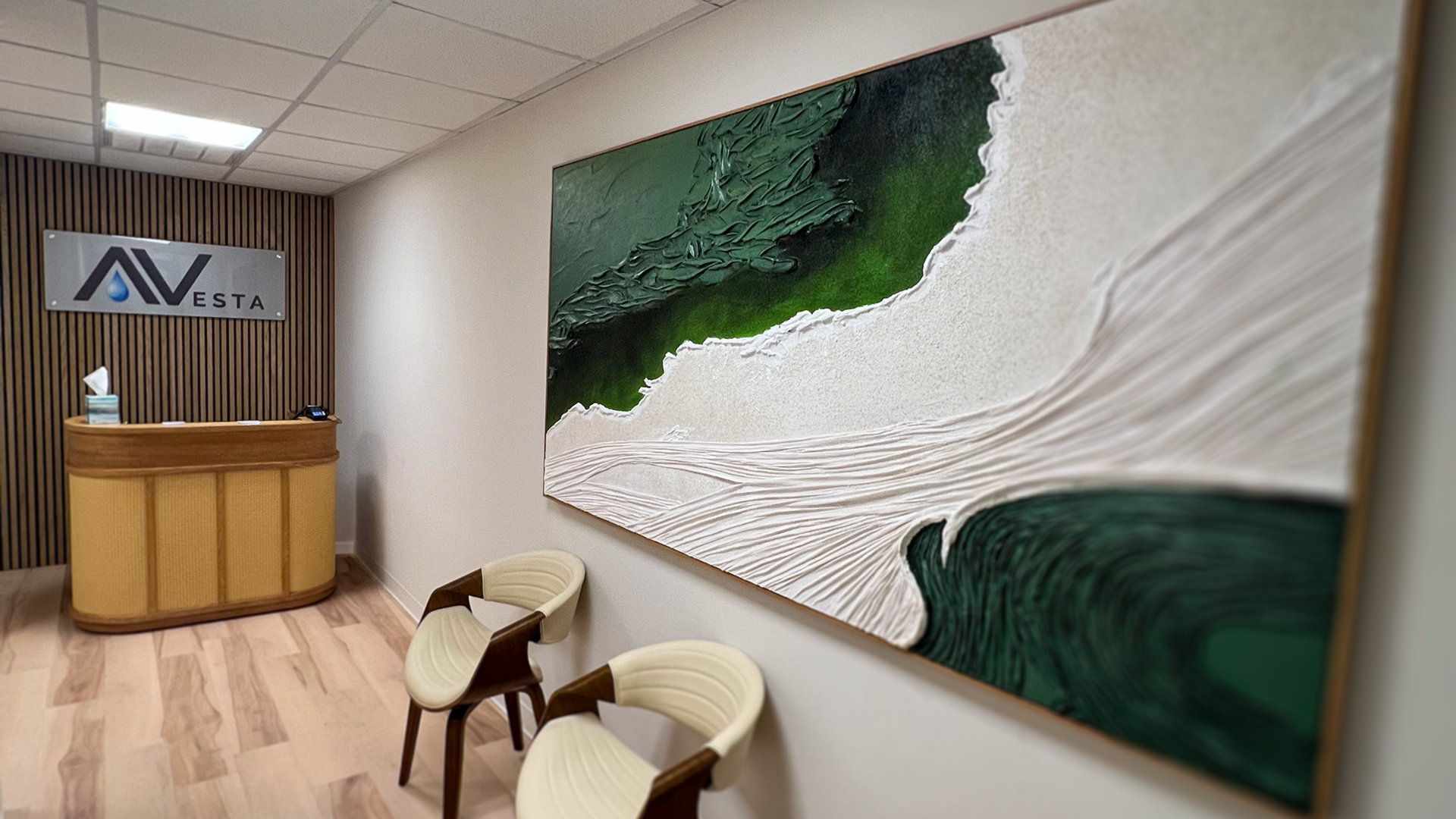
The setting can vary by clinic. Some use shared infusion spaces, while others offer more privacy. At Avesta, you’ll be placed in a private treatment room with a comfortable reclining chair, a blanket, and a calm, quiet environment designed to help you relax.
Before the infusion begins, your provider will check in on how you’re feeling, both physically and mentally. First sessions can bring some anxiety, so Avesta’s experienced nurses will walk you through exactly what to expect and answer any last questions. They may also offer simple grounding tools or help you set an intention, which can make it easier to stay present and move through the experience with more ease.
Step 2: IV Placement and Final Prep
Once you’re settled, your nurse will place a small IV into a vein, usually in your arm or hand. This part feels similar to a standard blood draw. You may feel a quick pinch or slight pressure, but the process is brief, and most people find it very manageable.
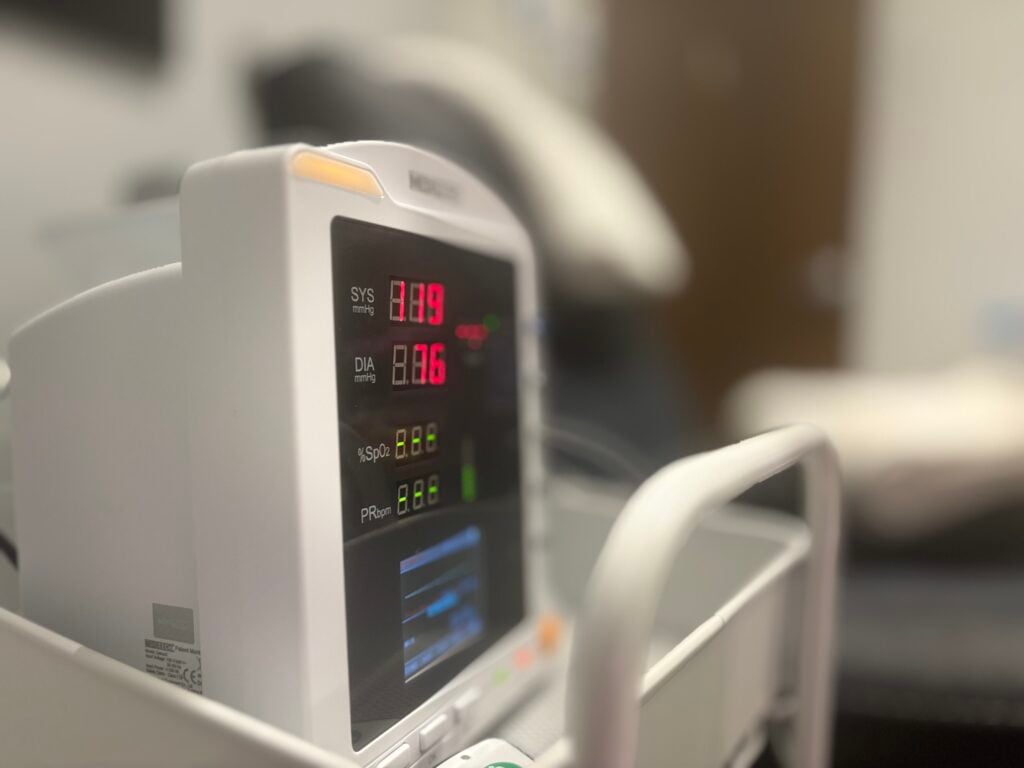
After the IV is in place, the team will connect you to monitoring equipment that tracks your vital signs in real time, including blood pressure, heart rate, and oxygen levels. This process allows your provider to watch how your body responds throughout the session and make adjustments if needed.
Before starting the infusion, the provider will confirm the dose and review your treatment plan. They will check in one more time to make sure you feel comfortable. You may also hear a simple reminder that you are safe, the effects are temporary, and you don’t need to control the experience.
Step 3: The Infusion Begins
Once everything is set, the nurse or provider delivers ketamine slowly through your IV over about 40 minutes. The effects begin fairly quickly, often within the first few minutes. However, they build gradually, so the infusion experience does not feel abrupt or overwhelming.
As the session continues, you’ll likely settle into a quiet, inward-focused state. Most people keep their eyes closed with an eye mask on, resting under a blanket while listening to music. Conversation usually fades as the dose takes effect, especially at moderately high doses. Many people choose not to talk so they can stay immersed. Others find speaking more difficult or effortful.
What the dissociative experience may feel like:
- A sense of lightness, floating, or feeling physically relaxed
- A gentle separation from your body or surroundings
- Changes in how you perceive time (faster, slower, or harder to track)
- Dreamlike thoughts, images, or visual patterns with eyes closed
- A quieter mind, with less intrusive or repetitive thinking
If your treatment includes ketamine-assisted psychotherapy (KAP) or integration support, a therapist or coach may be present or available to guide you through the experience. They may offer reassurance, help you stay grounded, or help you explore what comes up.
If you’re doing a standard infusion without therapy, your clinical team will still monitor you closely and remain available for support.
Step 4: Surrendering to the Experience
As the infusion unfolds, you may notice stronger dissociation and uncomfortable emotions at first. If that occurs, your role is to try to let go into the experience with greater trust and openness.
Simple grounding tools can help you stay steady and engaged:
- Focus on your breath, keeping it slow and steady to anchor your body
- Let images, thoughts, or sensations unfold without trying to direct or analyze them
- Allow emotions to rise and pass, even if they feel unfamiliar or unexpected
- Ask for help if you need it. Your care team, coach, or therapist is right there and can support you in real time.
Step 5: Physical Monitoring During the Session
During the infusion, your provider monitors your vital signs in real time and checks on you at regular intervals. This level of care matters because ketamine temporarily raises your heart rate and blood pressure. Your care team expects these changes and closely monitors them to keep everything within a safe range.
During the session, your provider will:
- Check your blood pressure at regular intervals
- Track your heart rate and oxygen levels using noninvasive monitors
- Watch your breathing, comfort level, and overall response
- Adjust the infusion rate if needed to keep you feeling stable
These safety measures run in the background, so you can stay focused on the experience rather than monitoring your body yourself.
Step 6: Immediately After the Infusion
Once the infusion ends, your provider will stop the IV and give your body time to come back to baseline. You’ll remain in your treatment room for a short recovery period while the provider continues to monitor your vital signs and overall comfort. Most clinics observe patients for about 15 to 30 minutes before discharge.
During this time, you may feel slightly groggy, lightheaded, or mentally “floaty.” Your thoughts may still feel a bit dreamlike, and your coordination or reaction time may be slower than usual. These ketamine side effects fade gradually, and many people begin to feel clearer as the minutes pass.
Before you leave the clinic, your provider will make sure you feel stable and ready. You will need someone to drive you home, as it’s not safe to drive or operate machinery for the rest of the day.
Many patients choose to go home and rest after ketamine infusions. Others choose a quiet, calming space, such as a park or a spa.
Step 7: What Happens in the Brain Afterward
The most important changes from ketamine therapy happen within the first one to three days. During this window, your brain is actively responding to the treatment and beginning to reorganize how it processes mood, stress, and thought patterns.
This process is part of neuroplasticity, which means your brain becomes more flexible and open to change.

You may notice emotional shifts during this time, like feeling lighter, calmer, or more motivated. You may also gradually notice fewer negative thoughts and an uplifted mood.
Many people also use this 1-3 day window to work with a therapist or coach to process the experience and make sense of any insights that came up. This kind of support can help you apply those insights to your daily life while your brain is most malleable.
What Does the Full Treatment Schedule Look Like?
Most IV ketamine treatment plans follow a structured schedule called an induction phase, followed by maintenance as needed. The exact timeline depends on whether you’re treating a mental health condition or chronic pain.
For depression, chronic stress, and mental health conditions:
- You’ll typically receive six ketamine infusions over two to three weeks
- Providers space sessions about two to three times per week
- Many people begin to notice changes by the fifth to sixth session
- The goal of this phase is to build momentum and create lasting brain changes
For chronic pain conditions:
- You will receive longer infusions over several consecutive days
- Protocols often include four-hour sessions across three to five days
- Higher doses are used to target pain pathways in the nervous system
- This approach aims to “reset” how the brain processes pain signals
Final Thoughts: Knowing What to Expect Makes the First Session Easier
IV ketamine therapy follows a clear, step-by-step clinical process, from screening and preparation to infusion and recovery. Each stage is designed to keep you safe and comfortable while your brain responds to treatment. When you know what to expect, the experience often feels less intimidating and more manageable.
Avesta Ketamine and Wellness guides patients through every step of this process with experienced providers, private treatment rooms, and a focus on safety and comfort. Patients across Bethesda, Washington, DC, Tysons, Norfolk, and Columbia trust Avesta for clinically grounded care that meets them where they are.
If you’re considering ketamine therapy in Virginia, Maryland, or Washington D.C., contact Avesta to find out whether treatment makes sense for your needs.
FAQs About IV Ketamine Therapy
How long does an IV ketamine therapy session take?
A typical session lasts about 60 to 90 minutes, including prep, a 40-minute infusion, and a short recovery period. Most clinics monitor you for 15 to 30 minutes after the infusion before discharge.
What does IV ketamine feel like during treatment?
Most people feel deeply relaxed, with a sense of floating or detachment from their body and surroundings. Thoughts often become quieter or more distant, and time may feel distorted during the experience. Some also feel as if they are gently moving through space, even though their bodies remain still.
How many IV ketamine sessions do most patients need?
Most patients complete an initial series of six infusions over two to three weeks for depression. Providers may recommend a different schedule for chronic pain or adjust based on how you respond.
Can I drive home after IV ketamine therapy?
No, you can not drive after treatment because ketamine can affect coordination and reaction time for several hours. You’ll need a trusted person to drive you home after each session or arrange for professional transportation.
When do patients usually start feeling better?
Some patients notice relief by the first or second session. This is unusual! Most patients begin to feel meaningful changes after five to six sessions.