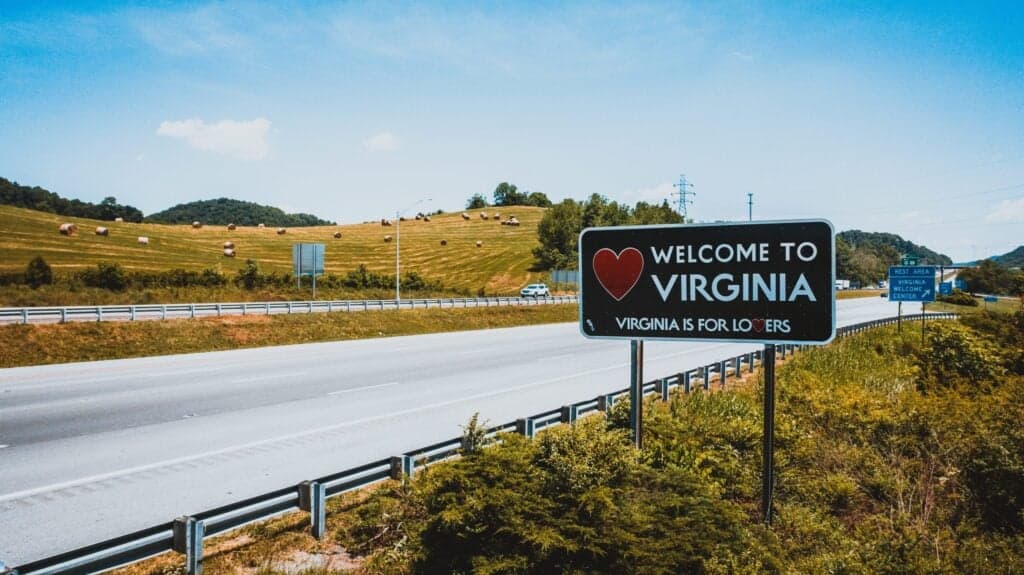
Psychedelic therapy is not broadly legal in Virginia, including psilocybin, MDMA, and LSD treatment. Ketamine is the only exception. Ketamine therapy is permitted in licensed clinical settings and is currently the only psychedelic-based treatment available in Virginia outside of research programs.
This guide explains how Virginia legalization applies to psychedelics, where these substances are allowed in the U.S., and what options exist for people seeking psychedelic therapy in Virginia today.
Virginia Psychedelics Legalization Status
As of 2026, ketamine is the only legal psychedelic in Virginia, and it is available primarily in licensed mental health settings under clinician supervision. All other classic and non-traditional psychedelics remain strictly prohibited as Schedule I substances under Virginia law, including:
- psilocybin (magic mushrooms)
- lysergic acid diethylamide (LSD)
- 3,4-methylenedioxymethamphetamine (MDMA)
- DMT (dimethyltryptamine)
- mescaline
Schedule I drugs are defined as having no accepted medical use and a high potential for misuse. This label indicates that possession, sale, and manufacturing are illegal and penalized statewide.
Decades of clinical research indicate psychedelics do have therapeutic value. However, Virginia legalization has not expanded to allow clinical psychedelic use beyond ketamine.
Laws Banning Psychedelics in the US
Modern psychedelic drug laws in the United States trace back to the late 1960s and early 1970s, when growing cultural use of psychedelics prompted a federal crackdown. This period marked a shift away from early clinical data touting mental health benefits and toward strict prohibition.
In 1970, the Controlled Substances Act established a scheduling system that grouped substances based on perceived medical value and potential for misuse. Under this framework, psychedelics exist in the most restrictive legal category, shaping where they are legal and how they may be accessed today.
For patients seeking psychedelic therapy in the US, ketamine therapy is the only legal option.
Are Breakthrough Therapies Legal in VA?
In recent years, the U.S. Food and Drug Administration (FDA) has granted Breakthrough Therapy designation to several psychedelics, including psilocybin, MDMA, and LSD. This status helps biotech companies expedite clinical research for treatments that show promise for serious or life-threatening conditions when existing therapies are ineffective.
However, the “Breakthrough” designation does not change a substance’s legal status. As a result, Virginia legalization has not expanded to allow public or clinical access outside of research settings.
Current psychedelic Breakthrough designations include:
- psilocybin for treatment-resistant depression [source]
- MDMA for post-traumatic stress disorder (PTSD) [source]
- LSD for generalized anxiety-related disorder [source]
These psychedelic treatments are only legal within the boundaries of federally approved clinical trials. Patients who want to explore these options can look through databases such as ClinicalTrials.gov or through medical centers conducting psychedelic research. Participation typically requires meeting eligibility criteria and often involves travel, waitlists, and time commitments.
Most people seeking psychedelic therapy in Virginia today will find ketamine clinics to be more accessible than clinical trials.
Legislative Efforts in Virginia
Virginia lawmakers have debated several bills aimed at exploring or creating a legal or regulated framework for therapeutic psychedelic use. In 2025, senators introduced two reform laws, Senate Bill (SB) 1101 and SB 1135.
SB 1101 proposed creating a state fund to support research into FDA-designated Breakthrough Therapies for veteran suicide prevention. [source]
SB 1135 proposed a conditional framework that would allow regulated psilocybin use in Virginia only if the substance received FDA approval and was rescheduled at the federal level. [source]
Neither bill resulted in changes to state law. Legislative hurdles, including committee action and executive barriers, hindered their progress.
As of 2026, Virginia legalization efforts have stalled. However, lawmakers on both sides continue to express interest in reform, signaling hope for the future.
Where Are Psychedelics Legal?
Across the United States, a small number of states have carved out limited exceptions for legal psychedelic therapy access. For people wondering where psychedelics are legal, the answer is Oregon and Colorado. However, these states approach regulations differently, and “legal” does not mean broadly available.
- Oregon allows adults to access psilocybin in licensed service centers under supervised, non-medical programs [source]
- Colorado permits regulated access to natural psychedelic services and has decriminalized personal possession of certain plant- and fungi-based substances [source]
Additionally, New Mexico recently passed the Medical Psilocybin Act (SB 219). This developing law proposes psilocybin use within a controlled medical framework for conditions, such as PTSD, treatment-resistant depression (TRD), substance use disorders (SUDs), and end-of-life care needs.
Along with state legalization efforts, Washington, D.C., decriminalized natural psychedelics (Initiative 81) in 2020, making enforcement the city’s lowest priority. This approach reduces criminal penalties but does not allow commercial sales or legal psychedelic therapy access.
Why is Ketamine Therapy Allowed in Virginia?
Ketamine therapy is allowed in Virginia—and across the United States—because its long medical history places it in a different legal category than other psychedelic substances.
Ketamine is classified as a Schedule III medication under the federal Controlled Substances Act, a designation reserved for drugs with accepted medical use and lower misuse potential when administered appropriately. It is also approved by the FDA as an anesthetic and has been safely used in hospitals and surgical settings for decades.
Because of this classification, licensed clinicians may legally administer ketamine off-label for conditions such as depression, post-traumatic stress disorder (PTSD), and chronic pain when supported by clinical evidence. Off-label prescribing is a common and lawful practice.
In Virginia, this legal distinction allows ketamine-based psychedelic therapy to be offered in regulated settings without violating state or federal law.
Psychedelic Therapy in Tysons, VA
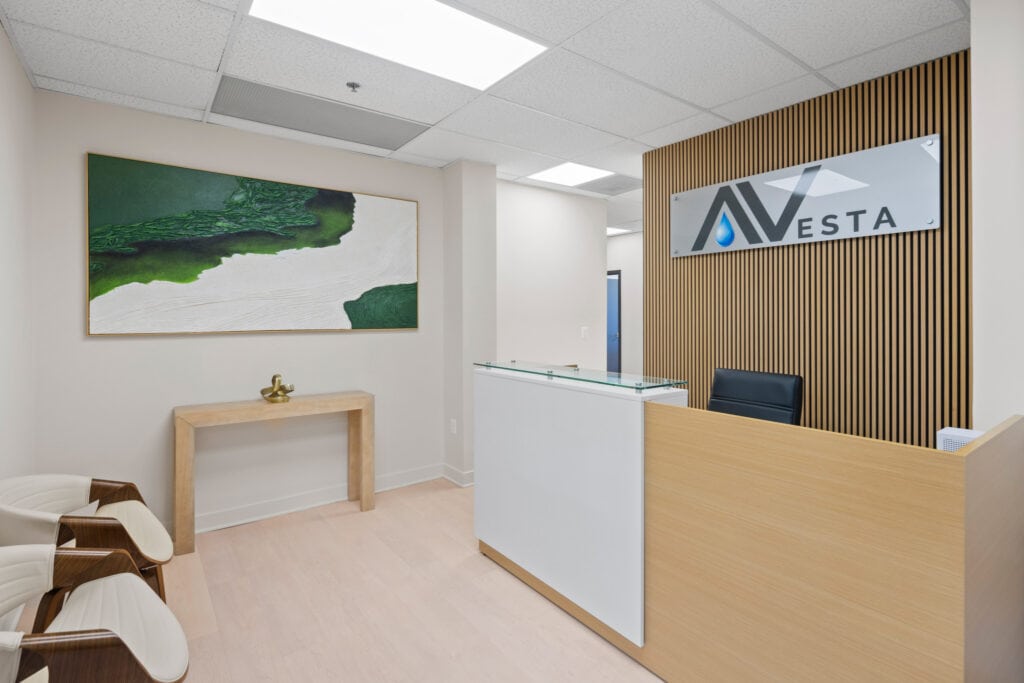
People in Northern Virginia can access legal psychedelic therapy through licensed ketamine clinics, like Avesta Ketamine & Wellness (Avesta).
Avesta’s Tysons mental health clinics offer ketamine therapy within a regulated clinical environment focused on safety, efficacy, and compassionate care.
Psychedelic treatment options include:
- intravenous (IV) ketamine infusions for PTSD, depression, anxiety, SUDs, and chronic pain [learn about IV therapy]
- Spravato (esketamine) nasal spray for TRD and major depressive disorder with suicidal ideation [learn about Spravato treatment]
The process begins with a free consultation, where patients can ask questions, share their mental health history, and learn whether ketamine therapy may be a good fit. Avesta’s care team reviews the patient’s medical background, prior treatments, and current symptoms to ensure that the treatment is appropriate and aligned with the patient’s goals.
Patients who move forward receive a personalized plan and clear guidance on what to expect before, during, and after each session. Throughout care, Avesta emphasizes comfort, clinical monitoring, and ongoing support.
Schedule a free consultation with Avesta Ketamine & Wellness in Tysons to explore whether psychedelic therapy may be right for you.
Frequently asked questions
Where Are Psychedelics Legal?
A small number of states in the U.S. have allowed limited access to legal psychedelic therapy. Oregon and Colorado have established frameworks for psilocybin access, while New Mexico has passed the Medical Psilocybin Act for certain conditions. Washington, D.C. has decriminalized natural psychedelics but does not allow commercial sales.
Why is Ketamine Therapy Allowed in Virginia?
Ketamine therapy is permitted in Virginia due to its classification as a Schedule III medication under federal law, which allows for its use in clinical settings. It has a long medical history and is approved by the FDA as an anesthetic, enabling licensed clinicians to administer it off-label for various mental health conditions.
Is psychedelic therapy covered by insurance in Virginia?
Insurance coverage for psychedelic therapy varies. Spravato (esketamine) nasal spray is often covered for qualifying diagnoses, but intravenous (IV) ketamine infusions typically are not fully covered. Patients may receive partial coverage or reimbursement depending on their insurance policy.
Will Virginia legalize psychedelics in 2026?
As of 2026, no legislation has been passed to allow public or therapeutic access to psychedelics like psilocybin, MDMA, or LSD in Virginia. Lawmakers continue to debate reform, but progress has stalled.
What is the difference between ketamine and psilocybin?
Ketamine and psilocybin affect the brain differently. Psilocybin is a classic psychedelic that primarily acts on the serotonin system, while ketamine is a non-classic psychedelic affecting the glutamate system. In Virginia, ketamine is legally available through licensed clinics, whereas psilocybin remains illegal outside of research settings.