

Seasonal depression affects far more than mood. It disrupts energy, motivation, sleep, and daily functioning in ways that can feel unbearable. Seasonal patterns typically appear in the winter but can happen any time of year, and evidence-backed treatments range from lifestyle changes to light therapy, medication, and ketamine therapy in severe cases.
This guide breaks down what seasonal depression actually is, why it happens, and how people find relief. Here’s what to know before symptoms start to take over.
What Seasonal Depression Really Is (And Isn’t)
Seasonal depression, formally called seasonal affective disorder (SAD), is a subtype of depression that follows a predictable, recurring pattern. Unlike feeling “blah” in winter or sluggish during a heat wave, seasonal depression involves significant functional impairment.
According to the DSM-5 (Diagnostic and Statistical Manual of Mental Disorders), a diagnosis of seasonal depression occurs when a person experiences:
- A major depressive episode that occurs during the same season each year
- Full remission during other seasons
- A pattern that repeats for at least two consecutive years
- Seasonal episodes that happen more frequently than non-seasonal ones
The ICD-10 (International Classification of Diseases, Tenth Revision), another system to classify medical diagnoses, includes SAD under depressive disorders with a “seasonal pattern” specifier. Importantly, seasonal depression is still depression, not just a dislike of cold weather or shorter days. The symptoms can be intense, disruptive, and difficult to manage without support.
Many people assume seasonal depression only shows up in winter, but a smaller subset experiences seasonal depression in summer (summer-pattern SAD). Both are legitimate mental health conditions linked to changes in light exposure, circadian rhythms (the body’s internal clock), and biological stress responses.
Prevalence
Seasonal depression affects an estimated 1% to 6% of the U.S. population, with milder seasonal mood changes impacting up to 20%. Rates climb in northern regions where winter days are shortest. Research summarized in the OASK Publishers narrative review describes how SAD symptoms can reach 10% or more in far-northern countries.
A journal review also emphasizes that while winter-pattern SAD is more common, summer-pattern depression is increasingly recognized.
Risk Factors
Certain factors increase the likelihood of developing seasonal depression:
- Biological sex: Women are diagnosed 3 to 4 times more often than men.
- Age: Younger adults report higher prevalence and more severe symptoms, with the age of onset often between 18 and 30.
- Existing mental health conditions: Depression, bipolar disorder, and anxiety increase risk.
- Sleep issues: Insomnia, irregular sleep schedules, and circadian disruptions are major contributors.
- Inactivity: Low sunlight exposure and sedentary habits worsen risk.
- Family history: Genetics can influence how light affects the brain.
Anyone can develop seasonal depression, but these risk factors make the condition more likely to recur each year.
How Seasonal Depression Disrupts Brain Chemistry
Seasonal depression is more than a reaction to gloomy weather. This condition reflects measurable shifts in the brain and nervous system. Here’s how several biological systems play a role.

Serotonin Regulation
Reduced sunlight lowers serotonin activity, making it harder to regulate mood, energy, appetite, and emotional resilience.
Circadian Rhythm Shifts
Light sets the body’s internal clock. When daylight hours change, the brain’s sleep-wake cycle can fall out of sync, leading to:
- Oversleeping
- Insomnia
- Morning grogginess
- Difficulty maintaining routines
Melatonin Overproduction
Darkness increases melatonin. In winter, excess melatonin can trigger sleepiness, fatigue, and mood changes.
Glutamate and Neuroplasticity
Emerging evidence shows that changes in glutamate—the brain’s main excitatory neurotransmitter tied to motivation and clear thinking—can contribute to cognitive fog and slowed processing. Seasonal depression and treatment-resistant depression share disruptions in these same glutamate pathways, which means therapies that gently rebalance glutamate signaling can help the brain function more flexibly again.
Ketamine targets this pathway directly as an NMDA receptor antagonist, which is why some patients notice sharper thinking and improved mood after infusion therapy.
Inflammation
Studies note increased inflammatory markers during depressive episodes. Chronic inflammation can worsen symptoms, fatigue, and pain.
Together, these biological shifts explain why seasonal depression can feel both emotional and physical.
Comparing Winter Seasonal Depression to Summertime Symptoms
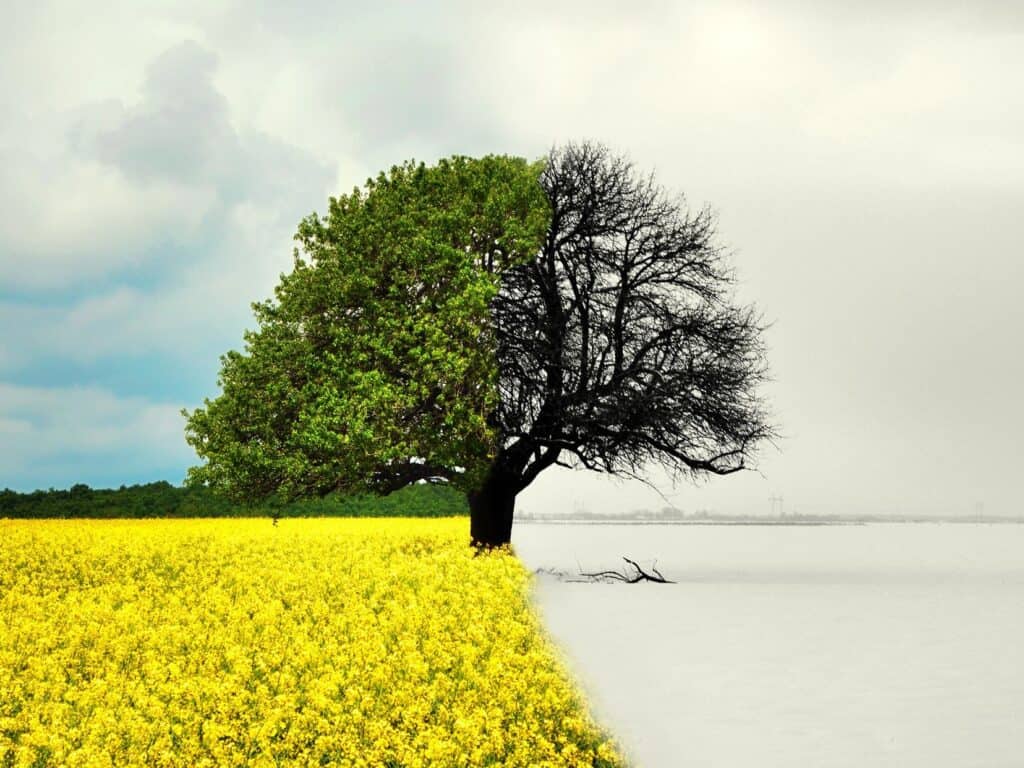
Not everyone with seasonal depression struggles in winter. Some experience the opposite pattern, feeling worse in the summer months when heat, humidity, or excessive sunlight disrupts their mood and hormonal pathways. Here is a comparison of seasonal depression symptoms in winter vs. summer.
Winter Seasonal Depression (Winter-Pattern SAD)
Winter-pattern SAD is the most common form and typically begins as days shorten and temperatures drop.
Common seasonal depression winter symptoms include:
- Low mood
- Oversleeping
- Increased appetite or carb cravings
- Weight gain
- Low energy
- Difficulty concentrating
- Social withdrawal
- Feeling “slowed down.”
Summer Seasonal Depression (Summer-Pattern SAD)
Seasonal depression in summer can appear when longer days, heat, or disrupted sleep cycles affect mood.
Common summer seasonal depression symptoms include:
- Insomnia or trouble sleeping
- Poor appetite
- Weight loss
- Heightened anxiety or agitation
- Irritability
- Restlessness
- Heat intolerance
Recurring symptoms each year that last more than two consecutive weeks may signal treatment-resistant depression. Symptoms that return despite treatment or steadily worsen over time strengthen that concern.
Why Light Matters — and Why Light Therapy Isn’t Always Enough
Light plays a crucial role in treating seasonal depression because it helps regulate serotonin, melatonin, and the body’s internal clock. Studies show that light timing, such as nighttime light, can indirectly affect mood by disrupting sleep, hormones, neuroplasticity, and emotional regulation. This is why a seasonal depression lamp (also called seasonal depression lights) is considered a first-line treatment for many people with SAD.
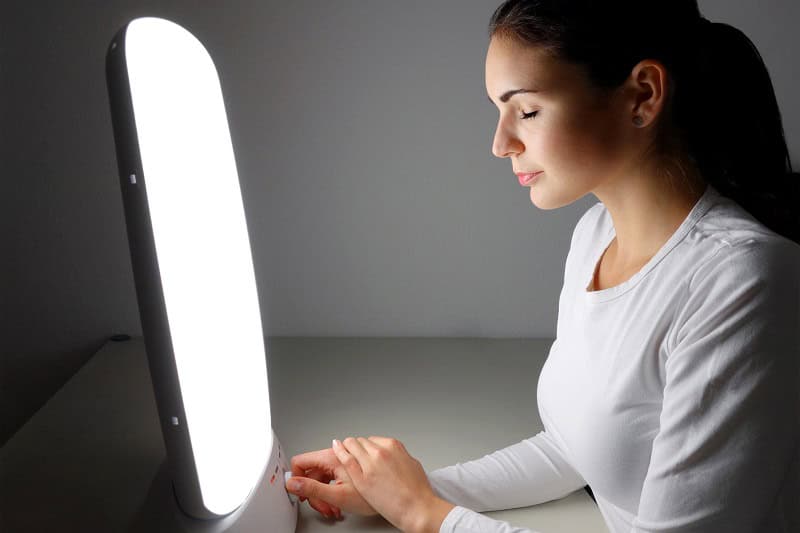
Bright light therapy benefits include:
- Helps reset circadian rhythms
- Increases serotonin activity
- Reduces melatonin overproduction
- Improves mood and energy
Various reviews, including those published by the National Institutes of Health and Journal of Psychiatric Research, support light therapy as a safe, effective option for many.
When Light Therapy Might Not Work
Light therapy may not be sufficient for everyone, depending on the severity of symptoms, underlying causes, and the individual’s unique response. This treatment may fall short when:
- Symptoms are tied more to inflammation than to the circadian rhythm
- Glutamate pathways remain dysregulated
- Depression is part of a broader mood disorder
- Sleep disturbances aren’t responsive to light exposure alone
- The timing of light therapy is inconsistent
For people with moderate to severe symptoms, light therapy is often just part of a more comprehensive plan.
Lifestyle Modifications that Can Help
While lifestyle changes alone may not cure seasonal depression, they can significantly ease symptoms and make other treatments more effective. Here are some proactive strategies to help manage SAD symptoms.
01. Prioritize Sleep Regulation
Taking steps to regulate sleep is essential.
- Keep consistent sleep and wake times
- Limit blue light before bed
- Use morning light exposure to anchor your internal clock
02. Maintain Structured Daily Routines
Predictability reduces stress and stabilizes circadian rhythms.
03. Move Daily
Exercise boosts serotonin, dopamine, and energy. A short daily walk can help, even on cloudy days.
04. Prioritize Supportive Nutrition
A balanced diet rich in protein, omega-3s, and vegetables supports energy and stabilizes blood sugar, which often swings during depressive episodes.
05. Plan Ahead
Many people with recurrent seasonal depression can prepare ahead by:
- Scheduling therapy or medication check-ins in advance
- Reducing overwhelming commitments
- Building a winter or summer self-care plan
Medication for Seasonal Depression
Medication can also help minimize seasonal depression symptoms. Doctors often prescribe medication when symptoms significantly impair functioning. Antidepressants, especially SSRIs and SNRIs, help regulate serotonin, a neurotransmitter that lifts mood, which can reduce the intensity of seasonal episodes.
Common medication strategies include:
- Preventive treatment: Starting medication a few weeks before seasonal symptoms typically appear.
- Full-season treatment: Continuing medication through the entire winter or summer period.
- Combination therapy: Pairing medication with light therapy, therapy, or lifestyle changes.
However, medication doesn’t work well for everyone. Some people experience side effects, minimal improvement, or a relapse despite treatment. When symptoms persist, more advanced options may be necessary.
When to Consider Ketamine or Spravato for Seasonal Depression
Ketamine therapy and Spravato® (esketamine, a ketamine analog nasal spray) offer an alternative for individuals whose seasonal depression is severe, recurrent, or unresponsive to first and second-line treatments. Ketamine targets deeper neurochemical pathways associated with treatment-resistant depression to help people find relief.
Why Ketamine Helps Seasonal Depression
Ketamine stands apart from traditional antidepressants because it acts on the very pathways that seasonal depression disrupts—and it does so with far greater speed and intensity. Instead of slowly increasing serotonin over several weeks, ketamine rapidly shifts glutamate activity and jump-starts the brain’s ability to form new, healthier connections.
The benefits of ketamine therapy for seasonal depression include:
- Glutamate modulation: Ketamine rapidly restores healthy glutamate signaling, a brain action heavily impacted in both seasonal and major depression.
- Neuroplasticity boost: Ketamine promotes the formation of new neural connections, helping the brain adapt out of depressive patterns.
- Anti-inflammatory effects: Ketamine reduces inflammatory markers associated with depressive episodes.
- Fast onset: Relief with ketamine often begins within hours to days, unlike antidepressants that can take weeks.
Who May Benefit From Ketamine
Ketamine or Spravato® treatment may work best for seasonal depression sufferers who:
- Experience recurring seasonal depression despite treatment
- Have tried multiple antidepressants without sufficient relief
- Cannot tolerate medication side effects
- Have severe symptoms, including suicidal thoughts
- Need a faster-acting option during a seasonal episode
Final Thoughts
Seasonal depression is real, common, and treatable with effective yet personalized care. People who struggle may want to explore both traditional and advanced treatment options, especially in cases when symptoms return year after year or don’t respond to the usual tools like light therapy or medication.
Avesta Ketamine & Wellness can help you understand whether therapies like ketamine or Spravato are appropriate for your situation. Schedule a free consultation to build a plan that supports stability through every season.


