
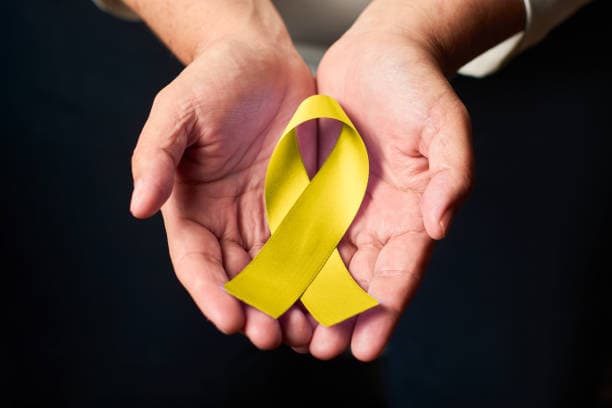
September is Suicide Prevention Month, a time to raise awareness, reduce stigma, and strengthen support for those affected by suicide. Across the United States and here in the DC, Maryland, and Virginia (DMV) region, communities come together to share mental health resources, host events, and remind one another that help is available.
Suicide prevention is about understanding the warning signs, creating safe spaces for conversation, and making sure loved ones know they are not alone. It’s also about effective treatment modalities like cognitive behavioral therapy for suicide prevention (CBT-SP) and IV ketamine treatments for suicidal ideation.
This article examines why Suicide Prevention Month matters, highlights events in the DMV region, and reviews evidence-based interventions that work.
Why Suicide Prevention Month Matters
Suicide leaves a lasting impact on families, communities, and workplaces across the country. In the DC, Maryland, and Virginia region, thousands of lives are touched by loss each year, and many more are quietly struggling.
The power of Suicide Prevention Month lies in its ability to turn awareness into action. This annual September mental health event reminds you to notice when you yourself may be in pain, and to recognize when loved ones might be struggling, so you can respond with care
One of the most critical steps prevention educators teach is identifying suicide warning signs. These cues can include:
- withdrawing from friends or activities
- changes in sleep or appetite
- talking about (or feeling) hopelessness or being a burden
- giving away personal belongings.
Noticing these shifts allows families and friends to check in before a crisis escalates.
Providing support during this process may involve limiting access to lethal means and encouraging treatment options like ketamine therapy, cognitive behavioral therapy for suicide prevention (CBT-SP), or helping someone access crisis services.
Suicide Prevention Events in the DMV Region
This September, communities across DC, Maryland, and Virginia are hosting events to raise awareness, share resources, and bring people together to support suicide prevention. Attending these programs can help you learn practical skills, honor loved ones, and show those struggling that they are not alone.

Out of the Darkness Walks
The American Foundation for Suicide Prevention’s Out of the Darkness Walks are some of the most visible events during the month. The Washington, DC walk will take place on September 26, followed by Howard County on September 27. Virginia communities will also host walks from September 20 through November 1. These walks create a sense of solidarity and remembrance while raising critical funds for suicide prevention research and education.
- Howard County walk – September 27, 2025
- Washington, DC walk – September 26, 2025
- Virginia walks – September 20 through Nov 1, 2025
Suicide Awareness & Prevention Resource Fair
In Maryland, the Suicide Awareness & Prevention Resource Fair will be held on September 18, 2025, at the Harriet Tubman Cultural Center in Howard County. This free event welcomes all ages and offers mental health resources, educational sessions, and opportunities for families to connect with local organizations dedicated to prevention and support.
Southern Maryland Suicide Prevention Summit
Later in the month, the Southern Maryland Suicide Prevention Summit: Choosing Life, Finding Hope will take place on September 27, 2025. This regional summit invites community members, providers, and advocates to explore strategies for awareness, early intervention, and long-term recovery support.
Virtual Suicide Prevention Month Events
Virtual events also provide accessible ways to participate in September mental health events for suicide prevention.

On September 23, AFSP Virginia will host Finding Hope: Practical guidance for supporting someone at risk for suicide. This online program equips family members, friends, and coworkers with the tools to recognize warning signs, create safety plans, and check in on loved ones during recovery.
On September 28, the AFSP National Capital Area chapter will present Talk Saves Lives: An Introduction to Suicide Prevention, a program that offers an overview of suicide risk, the latest prevention research, and concrete steps to take to save lives.
What Research Shows Works in Suicide Prevention
Suicide prevention month events raise awareness and give people practical tools rooted in decades of research that consistently point to specific effective strategies.
Means Restriction
Mounting evidence shows that limiting access to lethal methods is one of the most effective ways to prevent suicide. National bans on highly hazardous pesticides in countries like China have led to sharp declines in pesticide-related deaths, while restricting the pack sizes of painkillers has reduced overdoses by 43%.
Barriers at bridges and other hotspots have cut deaths at those locations by as much as 80–90%. By contrast, the lack of firearm restrictions in the United States is one reason national suicide rates have not followed the global decline.
Families can also make a difference by locking firearms and storing ammunition separately, securing medications in locked cabinets, and removing toxic substances or sharp objects during times of crisis. Because suicidal crises are often brief, adding time and space between a person and lethal means can save lives.
Psychological Therapies
Evidence-based non-pharmacological suicide prevention treatments such as cognitive therapy (CT), cognitive-behavioral therapy for suicide prevention, and dialectical behavior therapy (DBT) lower the risk of future attempts compared to standard care. These therapies give patients skills to manage distress, challenge hopeless thoughts, and build coping strategies.
Safety planning interventions are another proven approach. In a suicide safety plan, the patient and a clinician work together to create a step-by-step guide for what to do when suicidal thoughts become overwhelming. The plan includes personal warning signs, coping techniques, supportive people or places to turn to, and ways to make the environment safer. Having this written plan in hand makes it easier to act quickly during moments of acute risk.
Brief Interventions and Follow-Up
The period immediately after a suicidal crisis is especially dangerous. Programs like the World Health Organization’s Brief Intervention and Contact (BIC) model reveal that ongoing check-ins, via phone calls, text messages, or in-person visits, help keep at-risk people connected and supported. Even short, structured contacts can significantly reduce the chance of another suicide attempt and show that someone’s life and recovery truly matter.
How to Ask for Help and What to Expect
Knowing what works in suicide prevention is essential, but if you are the one struggling, asking for help can feel impossibly hard. Stigma and fear of judgment often keep people silent. But reaching out is an act of strength.
You don’t need to have the perfect words. You can start by saying you’re not okay or sharing that life feels overwhelming. The Canadian Centre for Suicide Prevention suggests starting with something like: “Some really hard things are going on right now. I’m so sad I don’t know what to do. It’s so bad I’m wondering if I should kill myself.”
Naming what you’re going through allows others to step in and help.
Crisis Services You Can Trust

If talking to someone close to you feels too difficult, you can contact a crisis line at any time:
- 988 Suicide & Crisis Lifeline: Call or text 988 to be connected with trained counselors available 24/7.
- Veterans Crisis Line: Dial 988 and press 1 to reach responders who are veterans themselves or understand military culture.
- Crisis Text Line: Text TALK to 741741 to connect with a trained counselor by text, available day or night.
These services are confidential and free. The person on the other end is trained to listen without judgment and work with you to stay safe in the moment. Even if the first person you speak with isn’t helpful, don’t stop there—try again. The right support can make all the difference.
How Ketamine Therapy Offers Rapid Relief
You can ask for help, but still need an intervention that works quickly. Ketamine therapy can reduce suicidal thoughts within hours, making it a powerful next step in suicide prevention.
A 2025 systematic review of clinical trials since 2020 confirmed that ketamine can rapidly reduce suicidal ideation (SI), especially when given intravenously (IV).
- Single IV doses often clear suicidal ideation (SI) for several days
- A series of IV ketamine treatments can extend SI relief for weeks.
- Intranasal forms showed mixed results
Across studies, ketamine was well tolerated, with side effects like dizziness or nausea resolving the same day.
Researchers believe ketamine eases suicidal thoughts by briefly blocking NMDA receptors and resetting glutamate, a key brain chemical for mood. This reset helps the brain repair itself by growing new connections and increasing proteins that support healing and resilience. When those mood circuits start working again, people often feel their depression lift and their suicidal thoughts quiet—sometimes within hours.
Ketamine is not a cure for suicidality on its own, but IV therapy protocols can create breathing room to stay safe and begin longer-term healing.
Avesta’s Commitment to Suicide Prevention
Avesta Ketamine and Wellness (Avesta) believes suicide prevention starts with awareness, thrives on emotional support, and takes root with effective care.

Our team provides safe, ketamine therapy for suicidal ideation in Washington, DC, Bethesda, and Columbia, MD, and Tysons, VA. Every patient receives one-on-one clinical monitoring, evidence-based protocols, and a welcoming environment that honors the courage it takes to seek help.
Healing at Avesta goes beyond the infusion room. Our providers and integration coaches guide you through every step of treatment, helping you prepare for infusions, maximize the benefits, and build hope.
Our clinicians stand alongside our DMV community in the urgent work of suicide prevention.
If you or someone you love is struggling with suicidal thoughts, know that help is available right now. Call or text 988 for the Suicide & Crisis Lifeline. When you’re ready to explore treatment, Avesta Ketamine and Wellness is here to provide safe, evidence-based care that can make a difference. Schedule a confidential consultation today.
Frequently asked questions
Why Suicide Prevention Month Matters
Suicide Prevention Month matters because it raises awareness, reduces stigma, and strengthens support for those affected by suicide. Communities come together to share resources, host events, and remind each other that help is available.
What Research Shows Works in Suicide Prevention
Research shows that limiting access to lethal means, psychological therapies like CBT-SP and DBT, safety planning interventions, and brief interventions with follow-up are effective in suicide prevention.
How Ketamine Therapy Offers Rapid Relief
Ketamine therapy can reduce suicidal thoughts within hours by briefly blocking NMDA receptors and resetting glutamate. It helps the brain repair itself, leading to decreased suicidal thoughts and improved mood.


