Many people reach a point where talk therapy and medication stop making them feel better. Ketamine therapy gives them another chance. It acts within hours or days, lifting people from the fog of depression and helping them feel alive again.
Clinics that specialize in ketamine therapy guide this process safely, assisting patients to find balance and steady improvement over time.
A Rapid Reset for Depression and Anxiety
Research shows that ketamine, a dissociative anesthetic, helps the brain rapidly rebuild connections damaged by stress and depression. The unique physiological process restores flexibility in how the person thinks, feels, and responds to life.
Speed of Onset
One of the most remarkable ketamine therapy benefits is its speed. Most people begin to feel relief within hours or days, compared to the weeks traditional antidepressants require. This fast-acting effect can be life-changing for those living under the weight of major depression or anxiety.
Unique Mechanisms of Action
Clinical studies show that ketamine works differently from other antidepressants by targeting glutamate, the brain’s most abundant neurotransmitter. This action promotes the growth of new neural connections—synaptogenesis—which helps the brain “reset” from patterns of despair and rumination.
Restoring Emotional Clarity
Ketamine’s dissociative properties help people detach from everyday worries, allowing them to gain perspective on painful thoughts or memories in a calm, reflective state. Many find that this out-of-body, psychedelic-like experience creates a calmness, where clarity replaces chaos and compassion replaces self-blame.

This clarity marked a turning point for Wade P., a Navy veteran. Wade said that Avesta’s ketamine protocol helped him “level up” emotionally and open up more during therapy, easing his transition back to civilian life. His experience mirrors that of many others who say ketamine therapy lifted the fog and allowed them to feel joy again for the first time in years.
Relief for Treatment-Resistant Conditions
Many people turn to ketamine therapy after years of frustration with antidepressants, talk therapy, or other treatments that never worked. Ketamine offers a new path for those labeled “treatment-resistant,” including individuals with depression, anxiety disorders, or post-traumatic stress disorder (PTSD).
Treatment-Resistant Depression (TRD)
Clinical research shows that ketamine can rapidly improve mood in people who haven’t responded to other medications. A 2024 systematic review found significant improvement after just one infusion, with sustained benefits after repeated sessions.
Researchers believe ketamine’s success lies in how differently it works compared to traditional antidepressants.
Most antidepressants, like selective serotonin reuptake inhibitors (SSRIs), increase serotonin levels gradually over several weeks. For up to 60% of patients, the delay and the following limited response leave symptoms unchanged.
Ketamine bypasses that delay by acting directly on glutamate, a chemical messenger that helps brain cells communicate. This rapid surge in glutamate activity triggers the release of brain-derived neurotrophic factor (BDNF), which helps neurons grow new connections almost immediately.
People often describe the ketamine experience as a mental “reset,” where motivation, clarity, and emotional responsiveness begin to return.
Generalized Anxiety Disorder (GAD)

Anxiety disorders can hijack the nervous system, keeping the brain in constant “fight-or-flight” mode. Ketamine helps by interrupting that cycle, calming overactive brain regions, and restoring balance to the limbic system, an area that regulates fear and stress responses.
For many people, that shift feels like finally exhaling after years of tension. Some describe a quieting of constant background noise.
One Avesta patient, Josh K., lived with anxiety and panic attacks for decades. He described the ketamine experience as “very fluid,” like his mind was exploring new spaces without fear. After several infusions, Josh began noticing emotional lightness that made daily life more manageable.
In Avesta’s patient stories, individuals with lifelong anxiety describe feeling a deep sense of calm, sometimes for the first time since childhood. This emotional reset can make therapy and mindfulness practices more effective afterward.
Post-Traumatic Stress Disorder (PTSD)
PTSD can keep the brain locked in survival mode, replaying painful memories and scanning constantly for danger. Ketamine helps interrupt those patterns by calming hyperactive fear circuits and supporting new, safer associations to form.
During treatment, many patients describe a softening of emotional intensity—as if trauma briefly loosens its hold. That opening can make more profound healing possible, allowing people to process memories without the same sense of threat. By quieting the nervous system, ketamine helps restore the safety and control that trauma once took away.
Chronic Neuropathic Pain and Recovery
Ketamine therapy benefits extend beyond mental health, offering relief for many people living with chronic neuropathic pain. These conditions often develop when the nervous system becomes hypersensitive, sending pain signals long after an injury has healed.
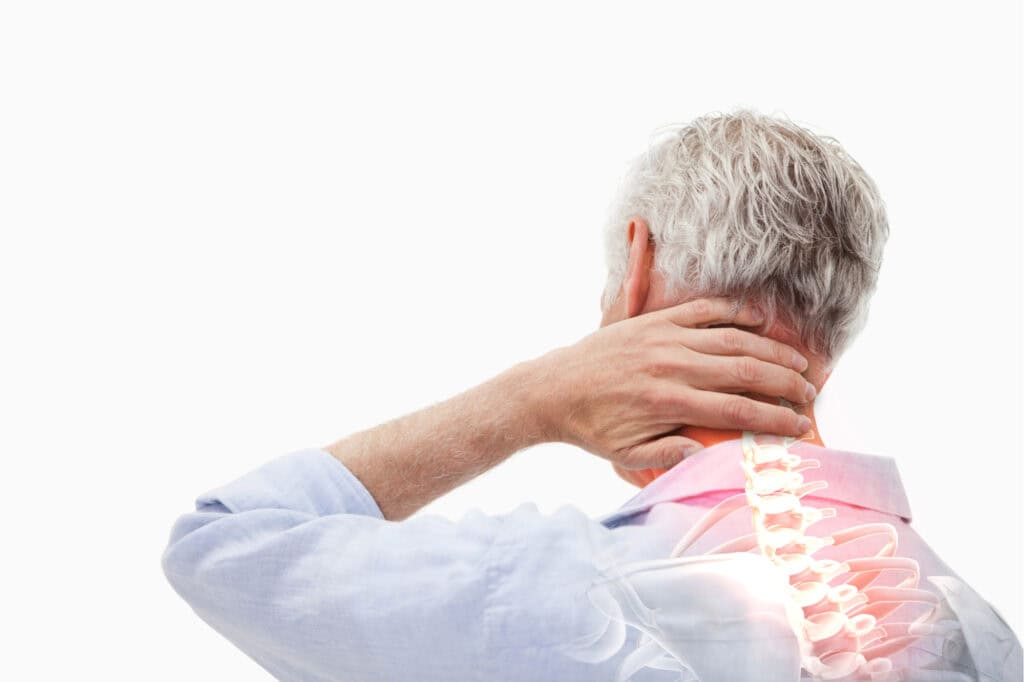
Ketamine helps by calming this overactive signaling. It blocks N-methyl-D-aspartate (NMDA) receptors—key gateways that amplify brain and spinal cord pain. By blocking these receptors, ketamine can interrupt the cycle of pain and allow the nervous system to “reset.”
Research also shows that ketamine reduces inflammation and protects nerve cells from overstimulation. These effects give it neuroprotective qualities that support recovery in conditions like complex regional pain syndrome (CRPS), diabetic neuropathy, and post-surgical nerve pain.
Relief varies by condition, but many patients report meaningful improvement. Some regain mobility, return to work, or sleep through the night after years of exhaustion and discomfort. Others describe the experience as a meditative calm—where pain loses its grip, and the mind reconnects with ease and optimism.
Emerging Uses: Long COVID, Lyme Disease, and Inflammatory Fatigue
Researchers are now exploring ketamine’s potential to relieve symptoms linked to post-viral and inflammatory conditions such as Long COVID and Lyme disease.
Long COVID and Post-Viral Fatigue
Scientists believe ketamine could play a role in easing the lingering inflammation and mood changes linked to COVID-19. The theory is that ketamine lowers specific inflammatory molecules in the body—such as IL-6 and IL-1β—that rise during infection and can make people feel drained or mentally foggy. While this idea is still being studied, researchers see promise in ketamine’s ability to calm the immune system and support clearer thinking after illness.
Lyme Disease and Post-Treatment Symptoms
Post-Treatment Lyme Disease Syndrome (PTLDS) can persist long after antibiotic therapy, leaving patients with chronic pain, fatigue, and cognitive changes. Laboratory research found that ketamine inhibited the growth of Borrelia burgdorferi—the bacterium responsible for Lyme disease—while also showing strong anti-inflammatory effects.
In clinical settings, some patients with PTLDS report less pain, reduced depression, and greater mental clarity after IV ketamine therapy, though more research is needed to confirm these outcomes.
Strong Safety Profile
An invaluable ketamine benefit is its decades-long record of safe use in medicine. Clinicians have relied on ketamine for more than fifty years, and when administered under supervision, it remains one of the most well-tolerated treatments available.

Ketamine’s Longstanding Clinical Record
Researchers first studied ketamine as an anesthetic over 50 years ago. Decades later, a landmark 2000 study revealed its antidepressant benefits at much lower doses—with minimal risk when given under supervision.
Common, Short-Lived Side Effects
Most side effects from therapeutic ketamine are mild and pass quickly after treatment. These may include:
- Dizziness or lightheadedness
- Mild nausea
- A brief rise in blood pressure
Some people also experience temporary dissociation or vivid sensations during an infusion. These effects are closely monitored and usually fade within an hour. Serious complications are extremely rare in a clinical setting.
Is Ketamine Therapy Right for You?
Ketamine therapy may help when other treatments haven’t. It’s often a good fit for people with:
- Treatment-resistant depression
- Chronic anxiety or PTSD
- Chronic nerve or inflammatory pain
But ketamine isn’t the best choice for everyone. People with unstable heart conditions, uncontrolled blood pressure, untreated thyroid issues, or active substance use should speak with a clinical provider before considering treatment.
A brief consultation can help determine whether ketamine therapy aligns with your health needs and goals. Contact Avesta Ketamine and Wellness in Washington, D.C., Bethesda, Columbia, or McLean to learn more.