In this post:
- Ketamine’s Therapeutic Potential
- Legally Prescribed: Ketamine’s Medical Use in Virginia
- Are Ketamine Clinics Legal in Virginia?
- Recreational Ketamine Use in Virginia
- Balancing Ketamine Safety & Legality
- Bottom Line: Virginians Can Safely and Legally Access Ketamine Therapy
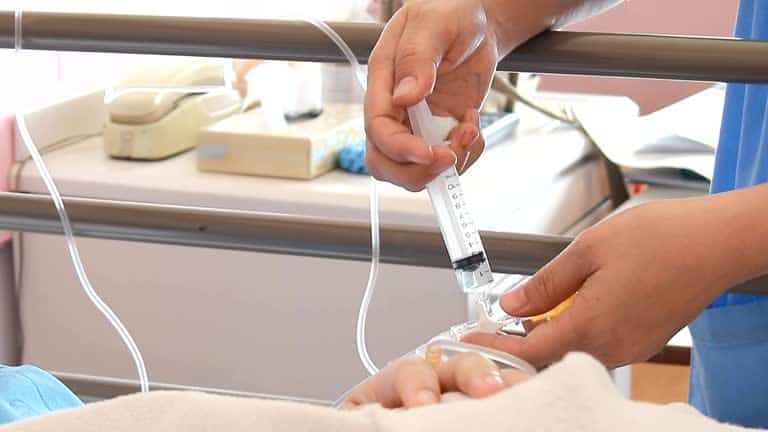
Ketamine is legal in Virginia when prescribed by a licensed clinician. The state classifies it as a controlled substance with the potential for misuse, but also accepted medical uses. This designation means ketamine is permitted for surgical procedures, chronic pain, and mental health conditions like treatment-resistant depression. However, ketamine is 100% banned for recreational use in Virginia.
This article delves into ketamine’s legal status in Virginia, exploring its therapeutic applications, restrictions, and the regulatory framework governing its use.
Understanding Ketamine Laws in Virginia
Virginia law permits ketamine use when licensed clinics or qualified providers, such as anesthesiologists, psychiatrists, or nurse practitioners, prescribe it. The state aligns with U.S. federal government regulations on the matter.
Federal Law on Ketamine
The Federal Drug Administration (FDA) approved ketamine in 1970 as a legal anesthetic for surgical purposes [source]. The DEA later classified it as a Schedule III controlled substance, which recognized its medical value while banning personal possession [source].
Since then, research has revealed ketamine’s value for conditions like depression, anxiety, PTSD, and chronic pain. This evidence allows clinics to use its Schedule III status to legally provide IV infusions ‘off-label’ for these needs.
Nationwide ketamine centers also provide Spravato (ketamine analog nasal spray) for depression following its FDA approval on March 5, 2019 [source].
How Virginia Classifies Ketamine
Like the federal government, Virginia lists ketamine as a Schedule III drug [source]. This classification permits residents to legally receive ketamine therapy in regulated clinics and at home when prescribed by an authorized provider.
However, personal ketamine possession in Virginia can lead to Class 1 misdemeanor charges [source]. People who obtain ketamine illegally can face up to 12 months in jail and fines up to $2,500. Larger amounts or intent to distribute may trigger felony charges with penalties of 1–10 years in prison [source].
Bottom line: Ketamine is legal in Virginia when administered or prescribed in a licensed clinical context. Recreational use is unlawful and unsafe.
Where Can People Access Ketamine Therapy in Virginia?
Virginians seeking legal ketamine therapy can access treatment in licensed clinics or, in some cases, through at-home prescriptions. The safest and most effective care happens in structured clinical settings, where providers follow research-backed protocols and monitor every infusion.
Clinical vs. At Home
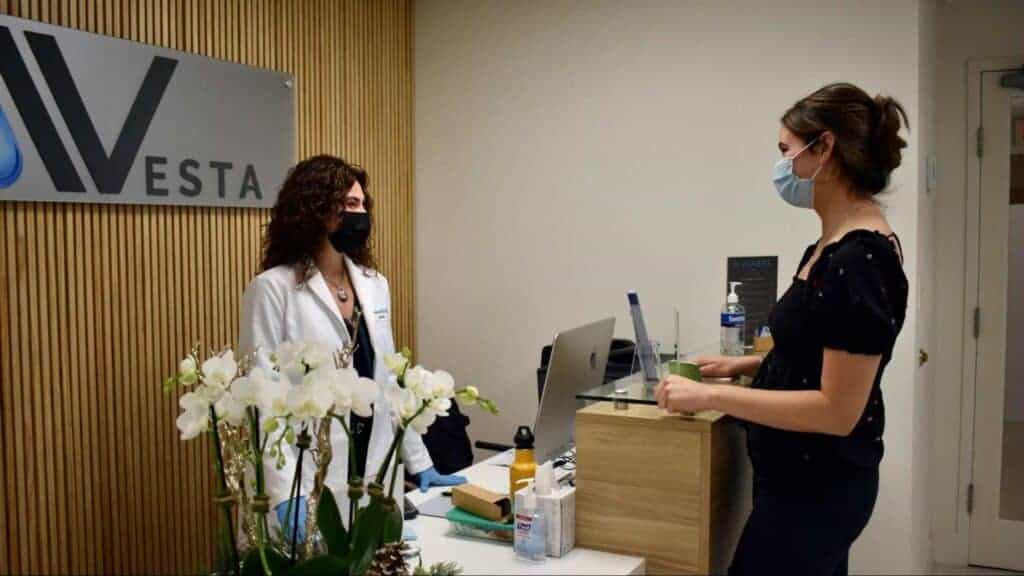
Clinical ketamine therapy in Virginia differs from at-home prescriptions in setting, dosing, administration route, and safety.
Clinical ketamine therapy takes place in a licensed center in Virginia. Patients receive precise IV dosing, continuous monitoring, and one-on-one support from the care team. Research shows this supervised model is safe, well-tolerated, and effective for mental health and chronic pain.
At-home prescription ketamine comes from telehealth providers that mail oral lozenges or nasal sprays. This option is technically legal under federal law, and some patients report benefits. However, at-home use carries more risk of dependence and unwanted effects.
Without trained clinicians present, ketamine side effects such as dissociation, dizziness, or elevated blood pressure may feel more complicated to manage.
Avesta’s Tysons Corner, VA Ketamine Clinic
Avesta operates an experienced Tysons ketamine clinic alongside three DMV locations in Bethesda, Columbia, and D.C. Its team has delivered more than 10,000 infusions without a single major issue.
Providers use evidence-based protocols to help Virginians combat depression, PTSD, chronic pain, anxiety, bipolar disorder, substance use disorder, and obsessive-compulsive disorder.
The Tysons Corner clinic serves patients across Northern Virginia, including Arlington, McLean, and surrounding communities. Patients benefit from board-certified providers, advanced monitoring systems, and a supportive environment designed for healing.
What Conditions Can Ketamine Treat in Virginia?

Ketamine therapy can help Virginians struggling with various treatment-resistant mental and physical health issues. Its rapid-acting nature, unlike traditional antidepressants, makes it a valuable tool for relieving suffering when it matters most–now.
Depression
Studies indicate that ketamine can significantly reduce depressive symptoms within hours, offering relief to patients who haven’t responded well to conventional treatments. One study found that two‐thirds of patients felt better, and a third achieved remission within a day. Stories of healing with ketamine are further proof of how well this Virginia depression treatment works.
Anxiety
Ketamine has also shown significant potential in treating anxiety disorders. It works by blocking NMDA receptors in the hippocampus, a brain region tied to memory and emotion. This action helps quiet overactive circuits that drive worry, restlessness, and physical tension. Studies suggest that patients often feel relief from anxiety symptoms within hours of treatment.
Chronic pain
Ketamine is known for its analgesic properties and is used to treat chronic pain syndromes, especially those that are refractory (resistant) to other medications. It works by blocking specific pain receptors in the nervous system. Patients with chronic neuropathic pain, like Complex Regional Pain Syndrome (CRPS), have reported significant relief from ketamine infusions.
Post-Traumatic Stress Disorder (PTSD)
Early studies indicate that ketamine may be effective in treating PTSD by disrupting the formation of negative thought patterns and memories. In a 2008 study, researchers found that soldiers treated with ketamine for burn injuries had a lower prevalence of PTSD (27%) compared to those not receiving ketamine (46%). Several non-military clinical studies, case reports, and randomized trials report similar benefits of ketamine treatment for PTSD.
Suicidal Thoughts
One of ketamine’s most promising applications for Virginians is in rapidly reducing suicidal ideation. Its quick action on the brain’s neurotransmitters can sometimes provide almost immediate relief. Emergency departments have begun to use ketamine as a fast-acting intervention for patients experiencing acute suicidal thoughts, with many reporting a significant decrease post-treatment.
Substance Use Disorder (SUD)
Ketamine is an effective SUD treatment option in Virginia for eligible candidates. Studies suggest that ketamine infusions can reduce cravings, ease withdrawal symptoms, and extend periods of abstinence from alcohol, opioids, and cocaine. Additionally, early research indicates that individuals who receive ketamine therapy alongside counseling or other treatments may experience longer-lasting recovery compared to therapy alone.
Obsessive-Compulsive Disorder (OCD)
Ketamine for OCD can help when standard medications and therapy are not enough. A blinded trial found that 60% of patients saw symptoms cut in half within 24 hours of a single low-dose infusion. Ketamine therapy for OCD interrupts the rigid brain loops that drive obsessions and compulsions, helping reduce intrusive thoughts and compulsive urges. Single infusions may offer short-term relief, while repeated ketamine treatment for OCD or pairing it with therapy can extend progress for weeks or months.
Safety, Legality, and Misconceptions

Ketamine therapy often raises questions about safety, legality, and misuse. The reality is that ketamine treatment in Virginia is safe and legal when administered in licensed clinics like Avesta to appropriate candidates.
Providers use low, therapeutic doses and monitor patients throughout each infusion. Emergency-trained staff, clinical screenings, and real-time dose adjustments keep infusion sessions controlled and predictable.
Misconceptions usually come from recreational ketamine use. High doses or frequent, unsupervised use can lead to risks such as bladder irritation, memory problems, or dependence. Clinical ketamine therapy is different. Treatments use subanesthetic doses, are carefully spaced apart, and do not create withdrawal symptoms.
In short: Personal ketamine use carries risks, but clinical ketamine therapy offers most patients a safe, evidence-based path to healing.
Is Ketamine Therapy Right for You?
Ketamine is not usually a first-line mental health or chronic pain treatment. Instead, it offers hope for Virginians who continue to struggle despite trying standard medications or therapy. Patients with treatment-resistant depression, anxiety, PTSD, OCD, chronic pain, or substance use disorder may benefit from ketamine therapy when other approaches fall short.
Still, not everyone is a good candidate for ketamine, even with treatment-resistant conditions that could benefit. Specific medical issues—like uncontrolled high blood pressure, severe heart disease, unmanaged hyperthyroidism, or a ketamine allergy—can make therapy unsafe.
Older adults with complex health conditions, or individuals with bipolar disorder or psychosis, may also require extra caution. Additionally, medications, such as high-dose benzodiazepines, can reduce ketamine’s effectiveness.
The safest way to know if ketamine therapy in Virginia is right for you is through a professional consultation with a licensed clinic like Avesta.
Why Choose Avesta for Ketamine Therapy in Virginia?
Choosing the right ketamine provider matters as much as choosing the right treatment. At Avesta, experienced clinicians, like Sam, Arielle, and Judy, take time to understand each patient’s story before building a treatment plan. They carefully review medical history, current medications, and treatment goals to ensure safety and create a path forward that feels personalized and realistic.
Avesta’s team works closely with Virginia therapists, psychiatrists, and other specialists to optimize treatment outcomes. This collaborative approach helps patients carry the benefits of each infusion into everyday life.
With accessible clinics across the DMV—including Tysons Corner, Bethesda, Columbia, and Washington, D.C.—Avesta combines convenience with a patient-centered experience designed for healing.
Ready to explore ketamine therapy in Virginia? Schedule your consultation at Avesta’s Tysons Corner clinic today.