In This Post:
- What are Ketamine Therapy, TMS, and ECT?
- Ketamine, TMS, & ECT Process & Protocol
- Depression Effectiveness and Benefits
- Insurance and Accessibility
- Deciding What’s Right for You: Ketamine, ECT, or TMS?
Depression that resists medication demands stronger mental health solutions. Advanced treatments like ketamine, transcranial magnetic stimulation (TMS), and electroconvulsive therapy (ECT) offer new hope. Each treatment works in distinct ways, producing different speeds and durations of relief.
- Ketamine delivers the fastest results, easing depression symptoms within hours or days.1
- TMS provides gradual, lasting improvement without anesthesia or memory effects.1
- ECT achieves the most powerful outcomes for severe or psychotic depression.1
This article compares ketamine vs TMS vs ECT for depression–what sets them apart, and how to determine which may offer the best path forward.
1 – (Berman & Ambrose, 2022)
What are Ketamine Therapy, TMS, and ECT?
Ketamine therapy, transcranial magnetic stimulation (TMS), and electroconvulsive therapy (ECT) are all forms of interventional psychiatry. They are procedure-based treatments designed for people who haven’t found relief from traditional antidepressants or talk therapy.
ECT, TMS, and ketamine work through the brain, using medical or physical interventions to reset or rewire mood-related pathways effectively. They share the same goal to relieve severe, treatment-resistant depression. However, they differ in how they act on the brain and what the experience feels like for patients.
Ketamine Therapy
Ketamine is a dissociative anesthetic medication that, at lower doses, can rapidly relieve symptoms of depression. It blocks NMDA receptors (a glutamate receptor antagonist), stimulates new brain connections, and strengthens communication between neurons.
At Avesta Ketamine and Wellness (Avesta) and similar mental health clinics, ketamine is given either as an IV infusion or as Spravato® (esketamine) nasal spray. Most people notice changes in mood, energy, and outlook within hours or days—a much faster response than typical antidepressants.
Transcranial Magnetic Stimulation (TMS)
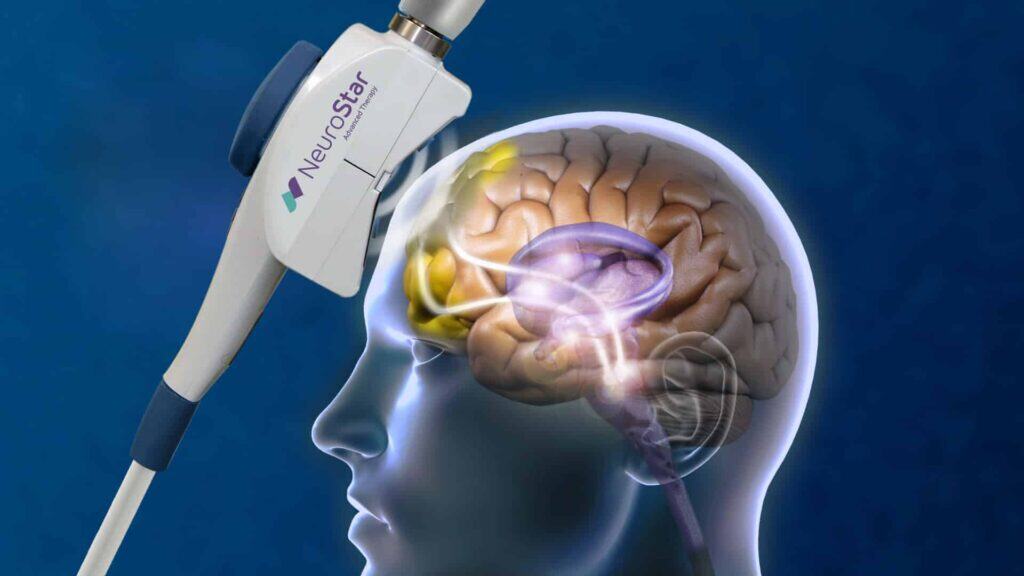
Transcranial Magnetic Stimulation (TMS) is a non-invasive brain stimulation therapy that uses gentle magnetic pulses to activate underactive nerve cells to improve depression symptoms. No medication or anesthesia is required, and patients remain fully awake during treatment.
A typical TMS session lasts about 20 to 40 minutes and takes place daily for several weeks. Over time, repeated magnetic pulses help “retrain” brain circuits that have become stuck in depressive patterns. TMS is FDA-approved and has minimal side effects—usually only mild scalp discomfort.
Electroconvulsive Therapy (ECT)
Electroconvulsive Therapy (ECT) is one of the oldest and most effective FDA-approved treatments for severe depression, particularly when symptoms include psychosis, suicidal thoughts, or profound loss of functioning. During ECT, patients receive general anesthesia while small electrical currents trigger a short, controlled seizure.
ECT quickly resets brain chemistry and relieves symptoms when other approaches fail. It is more invasive than ketamine or TMS and requires general anesthesia, but remains a vital option for people in crisis, those with bipolar disorder (BPD), and those with chronic delusions or hallucinations. Most patients receive ECT three times a week at first, then taper to less frequent sessions for several months to maintain results.
What Sets These Interventions Apart
Ketamine therapy, TMS, and ECT interventions look and feel very different. Ketamine treatment usually involves going to a specialized mental health clinic near you for IV infusions or Spravato® sessions lasting 40 to 120 minutes. TMS is a non-invasive option where patients sit in a chair and receive magnetic pulses for about 20–40 minutes. ECT requires anesthesia in a hospital or surgical setting, where a one-minute controlled seizure is induced to shift brain chemistry.
| Ketamine | TMS | ECT | |
| Session length | 40–120 minutes + short recovery | 20–50 minutes | 10-30 minutes + recovery |
| Anesthesia | No | No | Yes |
| How it feels | Dissociative, dreamlike | Scalp tapping/tingling | Patient asleep |
| Recovery | Tired, possible nausea | Resume daily activities | Confusion, memory issues |
Takeaway: Ketamine and TMS fit into outpatient visits without anesthesia, while ECT requires a hospital setting and recovery time.
Ketamine, TMS, & ECT Process & Protocol
All three interventional treatments occur in structured clinical settings, but the processes and protocols of ketamine, TMS, and ECT differ drastically.
During ketamine treatment at clinics like Avesta, patients relax in a private room while a provider administers an IV infusion or Spravato® nasal spray that elicits mild psychedelic effects. TMS therapy happens in an outpatient chair with a magnetic coil on the scalp that delivers painless pulses. ECT treatment entails a small electrical current that triggers a short, controlled seizure that lasts less than a minute.
| Ketamine Protocol | TMS Protocol | ECT Protocol | |
| Initial phase | 6 to 8 infusions over 2–3 weeks (twice weekly) | Daily sessions, 5 days a week for 4–6 weeks | Three treatments per week for 2–4 weeks |
| Maintenance | As needed—often monthly or every few months, depending on response | Booster sessions every 3–12 months if symptoms return | Gradual taper over several months, often extending to 6 months or longer |
| Monitoring | Provider checks vital signs and mood before, during, and after. Between-session evaluation. | In-session medical assistant monitoring + progress evaluations to adjust pulse location or intensity | Psychiatric, cognitive, and general anesthesiamonitoring before, during, and after each procedure. |
| Supportive care | Patients may combine with psychotherapy or integration support | Often paired with medication management or therapy | Usually continued alongside antidepressants or mood stabilizers |
Takeaway: Each treatment follows a structured, closely supervised process from start to finish. Ketamine depression protocols using IV infusions or Spravato® nasal spray last a few weeks with optional maintenance sessions. TMS therapy involves 20-30 sessions over several weeks to build lasting effects. ECT extends over six or more months with a tapering schedule that helps preserve long-term improvement.
What do Ketamine, ECT, and TMS Feel Like?
Each interventional treatment creates a distinct experience in the body and mind. Ketamine produces a temporary change in consciousness that can feel dreamlike, out-of-body, or introspective. TMS delivers gentle, rhythmic tapping sensations on the scalp without affecting awareness. ECT is performed under anesthesia, so patients don’t feel anything during the procedure itself.
| Ketamine | TMS | ECT | |
| Immediate sensations | Dissociation, floating, or dreamlike awareness; altered perception of time and space | Light tapping or pulsing on the scalp; clicking sounds from the coil | No sensation—patients are fully asleep under anesthesia |
| Cognitive experience | Heightened insight, emotional release, or visual imagery during treatment | Focused awareness; some describe a calming or meditative rhythm | None during treatment; may feel relaxed or tired upon waking |
| Awareness level | Conscious but inwardly focused; remain responsive | Fully awake and alert throughout | Unconscious for the duration of the procedure |
| Emotional tone | Calm, reflective, or occasionally intense, depending on mindset | Neutral to mildly stimulating | Calm or groggy upon recovery |
Takeaway:
Ketamine can feel like a euphoric, psychedelic journey, TMS feels like gentle tapping while you stay fully alert, and ECT feels like nothing at all because you’re asleep.
Depression Effectiveness and Benefits
ECT, ketamine, and TMS can all help people feel better when antidepressants haven’t worked. The main differences in how well they work for depression come down to how quickly they act, how long the benefits last, and who tends to respond best.
Electroconvulsive therapy is still considered the gold standard for severe depression because it brings the most rapid and consistent relief. However, large-scale studies have shown that ketamine therapy works just as well as ECT for depression, is better tolerated, and often starts lifting symptoms within hours or days. TMS takes longer to build results. However, TMS is also highly effective, and its benefits can last a year after treatment ends.
| Treatment | Clinical Response | Remission Rate | Notes / Duration Context |
| ECT | ~70–80% response[source] | ~50–60% remission[source] | May start working within 2–4 weeks; durable with maintenance[source] |
| IV / Esketamine (Spravato) | ~50–70% response[source] | ~30–50% remission[source] | Rapid onset (hours–days); benefits may fade in weeks to months without booster doses[source] |
| TMS | ~40–50% response[source] | ~25–35% remission[source] | Gradual improvement over 4–6 weeks; durable for 6–12 months with boosters[source] |
Takeaway: Experts consider ECT the gold standard for acute, rapid TRD relief. But meta-analyses show that ketamine therapy is equally effective with fewer side effects and a more enjoyable experience. TMS is slightly less likely to work, but its benefits endure for those who respond.

Side Effects and Safety
Every treatment comes with its own risks, but ketamine therapy, ECT, and TMS have strong safety records. ECT’s risks come from its use of general anesthesia and medically-induced seizures, such as temporary soreness, confusion, and memory issues after waking up. TMS usually causes nothing more than mild scalp discomfort. Ketamine side effects can include raised blood pressure or brief dissociation or dizziness, but these effects fade quickly.
| Common Side Effects | Serious or Rare Risks | Recovery / Safety Notes | |
| Ketamine | Temporary dissociation, dizziness, nausea, mild increase in blood pressure or heart rate | Rare dependence risk with long-term, unsupervised use | Effects fade within hours; patients rest briefly before leaving the clinic |
| TMS | Mild headache or scalp discomfort | Rare fatigue or seizure (extremely uncommon; higher risk if seizure history) | No anesthesia; safe for daily activity right after treatment |
| ECT | Muscle soreness or aches after the first few sessions; short-term confusion or memory gaps | Rare long-term memory loss; anesthesia-related risks | Full medical monitoring during and after each treatment; most patients resume normal activity within a day |
Takeaway:
All three treatments are typically well-tolerated. Ketamine’s side effects wear off quickly, TMS causes only mild temporary discomfort, and ECT carries anesthesia and memory loss in about 10% of cases.
Insurance and Accessibility
Coverage and convenience vary across interventions. Some options are easy to begin but harder to ensure, while others are fully covered yet more challenging to access.
ECT is an FDA-approved and long-established treatment for severe depression, bipolar disorder, and catatonia. It’s almost always covered by insurance. The issue is logistics—ECT requires medical clearance, anesthesia staff, and recovery time, which can limit where and how often it’s available.
TMS is also FDA-approved for treatment-resistant major depressive disorder (MDD) and covered by most major insurers once the patient has tried at least two antidepressants. TMS clinics may help with prior authorizations and scheduling. The main barrier is consistency, as people may struggle with daily weekday sessions for four to six weeks.
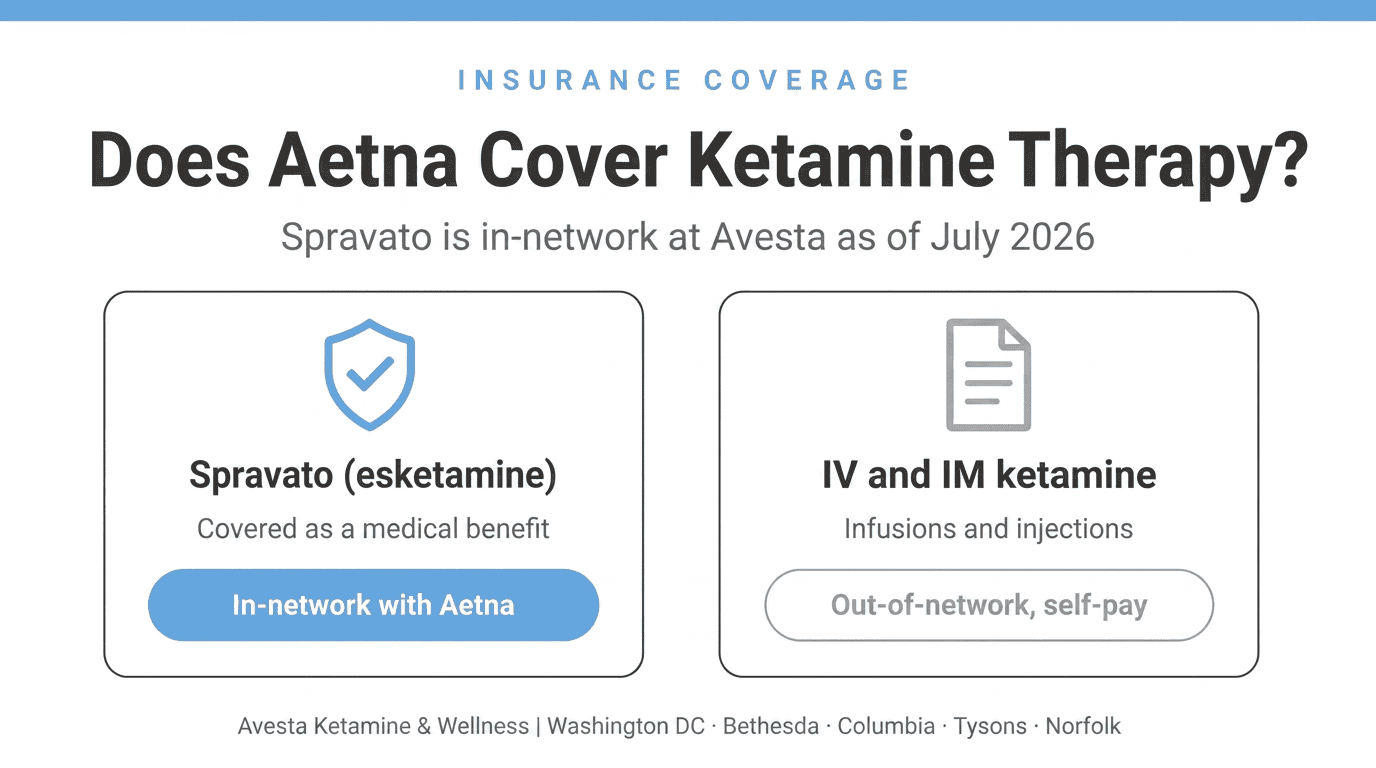
Ketamine therapy offers the most flexibility but the least predictable coverage. Spravato®, the FDA-approved form of ketamine, is typically covered with prior authorization.
IV ketamine infusions remain off-label, meaning they’re self-pay in most clinics. However, patients use HSAs or reimbursement programs to help. Additionally, ketamine clinics near you, like Avesta, are in network with major providers to offset IV and esketamine therapy costs.
Takeaway:
ECT and TMS are FDA-approved and widely covered for eligible diagnoses. Ketamine therapy is easier to access and faster to start. Yet, coverage depends on whether you’re receiving Spravato® or off-label IV infusions and whether the clinic is in-network with your insurance.
Deciding What’s Right for You: Ketamine, ECT, or TMS?
Choosing a treatment for depression may not be about what’s “best” overall. It’s about what’s right for you. Your diagnosis, health history, timeline, and lifestyle all matter in the choice between ketamine, ECT, and TMS. Here’s how to think through each option with your care team.

What type of depression are you experiencing?
If your depression includes psychotic symptoms, like hallucinations, or manic episodes, ECT may be the strongest next step. It’s designed for complex, treatment-resistant, or life-threatening depression.
If your depression feels unbearable or you’re battling suicidal thoughts, ketamine therapy can provide relief within hours or days. Its fast action can help you regain stability and improve your mood while you engage in psychotherapy to extend the benefits for the long term.
If you’re managing major depression or chronic low mood without crisis-level symptoms—and prefer to avoid dissociative side effects or anesthesia—TMS may be the most sustainable choice.
How much time can you commit?
TMS fits best if you can dedicate daily weekday visits for about a month. Many patients treat sessions like an extended lunch break and return to normal activities afterward.
If you have a few weeks and can manage two visits per week, ketamine might be easier to fit in. The initial series is short, and maintenance sessions are only scheduled as needed.
ECT is feasible if you have flexibility over several months and can coordinate with a hospital team. Sessions start frequently but taper down over time.
How quickly do you need relief?
If you need help right now, ketamine offers the fastest results. Some patients feel lighter the same day. If you can wait a few weeks, ECT can bring powerful relief once the full course begins to take effect. If you’re comfortable with gradual change, TMS builds results steadily over about six weeks.
What side effects feel manageable to you?
Think about how you’d like to feel during treatment days. TMS may be appropriate if you prefer mild physical sensations like scalp tapping or a brief headache. If you’re open to a temporary, introspective, or dissociative psychedelic state, ketamine is the best fit. ECT could be right if you can tolerate short-term confusion or potentially permanent memory gaps for the sake of strong results.
What kind of insurance or financial flexibility do you have?
If you have comprehensive insurance, ECT and TMS are likely covered, though ECT requires hospital coordination. If you’re seeking quick access or prefer outpatient settings, ketamine is easiest to start, but coverage varies.
Takeaway:
The right choice between ketamine therapy, TMS, and ECT depends on your goals, schedule, and comfort level. If you’re unsure where to begin, Avesta’s care team can help you discuss each option and design a treatment plan that works for your life.
Contact Avesta Ketamine and Wellness to explore personalized depression treatment near you at our clinics in Tysons, Washington, D.C., Bethesda, and Columbia.