
Ketamine therapy for addiction is a monitored, in-clinic treatment that may reduce cravings and ease the co-occurring depression that drives relapse from opioids, cocaine, and stimulants. It is an adjunct to medication-assisted treatment and counseling, not a replacement. Speak with our care team to find out whether ketamine therapy may fit your recovery plan.
Alcohol is the most common substance use disorder we treat, and it deserves its own deep dive. If drinking is the primary substance you are working to recover from, read our full guide to ketamine therapy for alcohol use disorder, including the research on cravings, relapse rates, and treatment protocols.
For anyone fighting a substance use disorder, recovery can feel like the longest climb of their life. About 48.4 million Americans aged 12 and older had a substance use disorder in 2024, and most received no treatment for it: of the 52.6 million people who needed substance use treatment that year, only about 10.2 million got it.[1] For people who have tried traditional rehab, medication, or counseling without lasting relief, ketamine therapy for addiction is one of the more promising additions to recovery care to emerge in the last decade. At Avesta Ketamine & Wellness, our clinicians deliver IV ketamine infusions and ketamine-assisted psychotherapy at five locations across the DMV: Washington, DC, Bethesda and Columbia, Maryland, and Tysons and Norfolk, Virginia, to support patients working toward long-term sobriety.

Can Ketamine Help with Addiction Recovery?
The short answer is that a growing body of clinical research suggests yes, particularly for patients who have not responded to first-line treatments. Ketamine does not replace evidence-based addiction care such as 12-step programs, medication-assisted treatment, and therapy. It works alongside them by targeting two underlying drivers of relapse:
- The depression and anxiety that so often co-occur with addiction. Mental illness and addiction routinely travel together: in 2024, about 34.5% of U.S. adults with any mental illness, the category that includes major depression, also had a substance use disorder in the same year (roughly 21.2 million adults), which is why treating the underlying mood disorder is central to staying in recovery.[2] Ketamine is one of the fastest-acting antidepressants available, with effects that can begin within hours rather than weeks.
- The reward and craving circuitry in the brain. Ketamine appears to help “reset” maladaptive learning around the substance, blunting cravings and weakening the pull of conditioned cues.[3]
Patients we see at Avesta typically come to ketamine therapy after months or years of cycling between sobriety and relapse, often carrying a treatment-resistant mood disorder underneath. Ketamine therapy is designed to help break that cycle.
How Ketamine Works in the Brain to Support Recovery
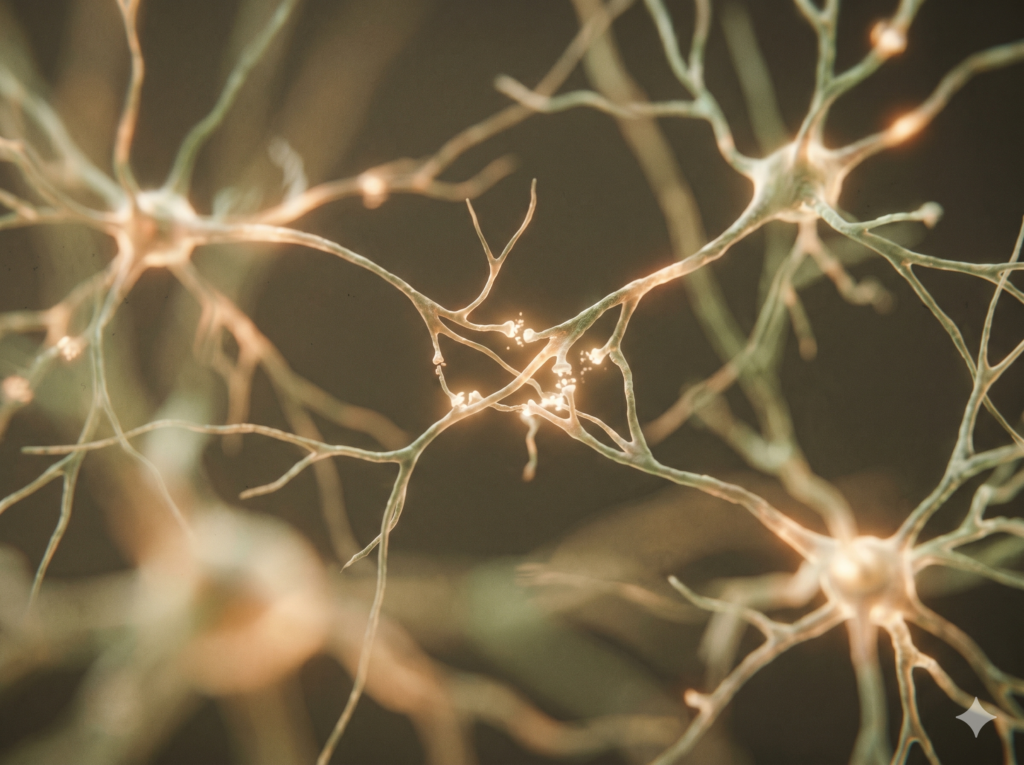
Ketamine is an NMDA receptor antagonist. In plain language, it temporarily quiets a specific signaling pathway tied to mood regulation, learning, and habit formation. Three effects matter most for addiction recovery:
- Rapid relief from depression. A 2019 study in Science showed that in mice, a single sub-anesthetic dose of ketamine triggered the growth of new dendritic spines, the tiny connections between neurons, in the prefrontal cortex, and these structural changes tracked with sustained antidepressant effects.[4] The work is preclinical, but it helps explain why the mood benefits in patients can outlast the drug itself.
- Increased neuroplasticity. The same mechanism that helps with depression also opens a window in which the brain is more receptive to behavior change, which is why ketamine pairs so well with therapy and integration coaching.
- Disrupted craving memories. Human and animal studies suggest ketamine can interfere with the reconsolidation of substance-associated memories, weakening the cues that drive relapse.[3]
It is the combination of these three effects, faster mood relief, a more flexible brain, and weaker cravings, that makes ketamine such a uniquely useful tool in recovery.
Ketamine for Cocaine Cravings
Cocaine use disorder has no FDA-approved medication, which makes it one of the hardest substance use disorders to treat. Ketamine is one of the few interventions with positive published trial data in this population.
A 2019 randomized trial from Columbia University found that a single ketamine infusion, combined with mindfulness-based relapse prevention, led to significantly more participants achieving abstinence than an active control. In that study, 48.2% of the ketamine group stayed abstinent over the final two weeks of the trial, compared with 10.7% of the control group.[5] The mechanism appears to combine reduced cravings with stronger engagement in therapy after the infusion.
Cocaine recovery patients at Avesta are typically evaluated for a full multi-infusion protocol alongside a referral to ongoing therapy or recovery coaching.
Ketamine for Opioid and Heroin Recovery
Opioid use disorder responds well to medication-assisted treatment such as buprenorphine, methadone, and naltrexone, and ketamine is not a replacement for those gold-standard medications. It can, however, be a valuable adjunct.
One of the earliest signals came from Krupitsky and colleagues, who found that heroin-dependent patients who received ketamine-assisted psychotherapy were significantly more likely to remain abstinent at one and two years than those who received a lower, non-therapeutic dose.[6] That study is more than two decades old and specific to heroin, so it is best read as an early proof of concept rather than modern evidence. More recent observational work suggests ketamine may also help with post-acute withdrawal symptoms, the prolonged low mood, anhedonia, and sleep disruption that drive many relapses in the weeks and months after detox.
For patients recovering from opioids, we coordinate closely with their MAT prescriber and recovery team before starting any ketamine protocol.
Is Ketamine Itself Addictive? Recreational Misuse vs Medical Treatment
This is the question we hear most often, and it deserves a direct answer.
Ketamine, when misused recreationally at high doses and high frequency, can produce psychological dependence, and it is a controlled substance for that reason. That is a different scenario from what happens in a medical clinic.
In a supervised setting like Avesta, ketamine is:
- delivered at a precise sub-anesthetic dose calibrated to your body weight
- administered by board-certified anesthesia and psychiatric clinicians
- spaced across a defined protocol, typically six infusions over two to three weeks, followed by boosters as needed
- paired with monitoring, integration, and a clear off-ramp
Across more than 20,000 treatments delivered to over 1,600 patients since 2018, clinically significant ketamine misuse in our supervised program has been very rare. The risk profile of medically monitored ketamine therapy is well understood, and it is very different from the risk profile of recreational ketamine use.
What Ketamine Therapy for Addiction Looks Like at Avesta
Every patient starts with a free 15-minute phone consultation. From there, a typical addiction recovery protocol includes:
- Comprehensive medical and psychiatric intake, including a review of your substance use history, co-occurring mood symptoms, current medications, and recovery team.
- A series of IV ketamine infusions, usually six over two to three weeks, each about 40 to 60 minutes long.
- Integration support, through ketamine-assisted psychotherapy with one of our clinicians or a referral to a partner therapist.
- Maintenance and follow-up, with booster infusions or Spravato (esketamine nasal spray) on a personalized schedule.
We see patients from across Washington, DC, Northern Virginia, suburban Maryland, and Hampton Roads. Schedule your free consultation at the Avesta location nearest you:
- Washington, DC serving Capitol Hill, Dupont, and Georgetown
- Bethesda, MD serving Montgomery County and Northwest DC
- Columbia, MD serving Howard County and the Baltimore/DC corridor
- Tysons, VA serving Fairfax, Arlington, and Loudoun counties
- Norfolk, VA serving Hampton Roads, Virginia Beach, and the Tidewater region
Prefer to talk to someone? Call (301) 381-8381, the same number for all five clinics.
Frequently asked questions
What is recovery?
Recovery is often defined as the process of getting better from an illness or otherwise returning to a state of physical and mental health.
What does Ketamine do to the brain?
Ketamine can have profoundly beneficial effects, as it is a dissociative drug. Medicinal use of ketamine can improve mood, suppress seizures, and help rebuild neural pathways.
How does Ketamine help with addiction recovery?
Recent research has linked ketamine to helping those with addiction, particularly those who have previously been unresponsive to traditional treatment options.
References
Krupitsky E, et al. “Ketamine psychotherapy for heroin addiction: immediate effects and two-year follow-up.” Journal of Substance Abuse Treatment, 2002;23(4):273-283. Accessed July 7, 2026.
SAMHSA. “2024 National Survey on Drug Use and Health: Key Substance Use and Mental Health Indicators in the United States.” SAMHSA, released July 2025. In 2024, 16.8% of people aged 12 and older (about 48.4 million) had a past-year substance use disorder; of the 52.6 million who needed substance use treatment, only about 10.2 million received it. Accessed July 7, 2026.
SAMHSA. “2024 National Survey on Drug Use and Health.” SAMHSA, 2025. Among the roughly 61.5 million U.S. adults with any mental illness in 2024, about 34.5% (21.2 million) also had a co-occurring substance use disorder in the past year. Major depression is the most common mood disorder within that group; the adult depression-specific (MDE-plus-SUD) cross-tabulation is reported in the 2024 NSDUH Detailed Tables. Accessed July 7, 2026.
Ezquerra-Romano I, Lawn W, Krupitsky E, Morgan CJA. “Ketamine for the treatment of addiction: Evidence and potential mechanisms.” Neuropharmacology, 2018;142:72-82; and Jones JL, et al. “Efficacy of ketamine in the treatment of substance use disorders: A systematic review.” Frontiers in Psychiatry, 2018;9:277. Accessed July 7, 2026.
Moda-Sava RN, et al. “Sustained rescue of prefrontal circuit dysfunction by antidepressant-induced spine formation.” Science, 2019;364(6436):eaat8078. (Preclinical, mouse model of depression.) Accessed July 7, 2026.
Dakwar E, et al. “A Single Ketamine Infusion Combined With Mindfulness-Based Behavioral Modification to Treat Cocaine Dependence: A Randomized Clinical Trial.” American Journal of Psychiatry, 2019;176(11):923-930. Accessed July 7, 2026.


