Written and medically reviewed by Dr. Ladan Eshkevari, CRNA, PhD, FAAN.
As of July 2026, ketamine affects the heart by temporarily increasing heart rate and blood pressure, tightening blood vessels, and triggering the release of stress hormones.[1] This same response occurs at all doses and with all forms of use. However, ketamine cardiovascular effects vary based on the dose. In clinical settings, including anesthesia, pain management, and ketamine therapy, these cardiovascular effects are expected, short-lived, and safely managed through pre-screening, dosing, and real-time monitoring.
This article explains ketamine heart side effects, why cardiovascular risks differ depending on usage and pre-existing conditions, and how Avesta prioritizes heart safety during treatment.
Can Ketamine Use Impact the Heart?
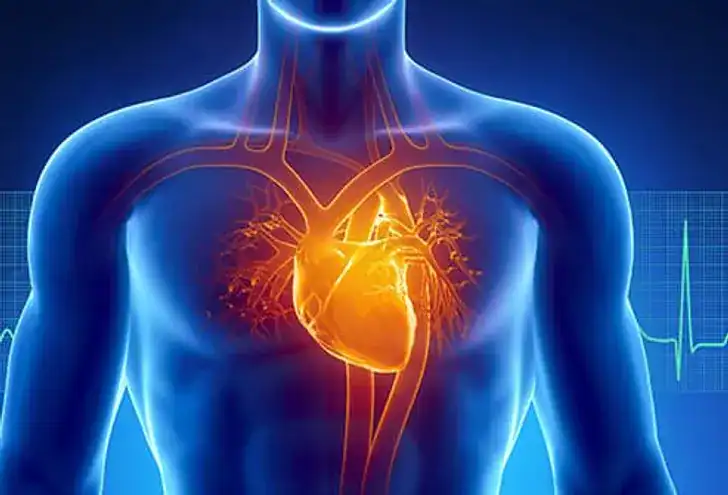
Yes, ketamine does impact the heart during use,[1] whether people take it as a high-dose anesthetic during surgery, at lower subanesthetic doses during ketamine therapy,[2] or repeated doses taken outside of medical supervision.[3] In clinical settings, ketamine heart side effects are typically mild, temporary, and closely monitored to ensure patient safety. In unsupervised settings, the same effects can pose significantly greater risk.
How Ketamine Affects the Heart During Use
Ketamine activates the sympathetic nervous system,[2] which can temporarily increase heart rate and blood pressure. As a result, the heart beats faster and more forcefully for a brief period. These responses reflect normal stress physiology and occur whenever ketamine is active in the body.
Anesthetic Compared to Therapeutic Doses
At anesthetic doses, ketamine’s cardiovascular effects tend to be stronger[4] and can be riskier for people with underlying heart conditions, and occur alongside broader changes in consciousness and physiology. At subanesthetic doses used in ketamine therapy, these changes are typically milder and well-tolerated in appropriately screened patients.[2]
Unsupervised Use
Unsupervised ketamine use removes clinical oversight and dose control, which increases the risk of excessive rises in blood pressure and potential long-term damage.[3] Repeated high-dose use places ongoing strain on the heart and blood vessels.
Is Ketamine Therapy Safe for the Heart?
Ketamine therapy is generally safe for the heart in healthy adults without uncontrolled cardiovascular disease. Blood pressure increases usually resolve within one to two hours after treatment.[4]
Clinical studies of low-dose ketamine therapy (IV and intranasal) have not shown concerning blood pressure spikes[4] or serious cardiac events in healthy participants. As of July 2026, a systematic review of sub-anesthetic ketamine in psychiatric patients reported a very low rate of serious medical adverse events (about 0.1%), including cardiac and cerebrovascular events, when patients were medically screened.[5]
Instead, ketamine side effects follow a consistent and manageable pattern. This predictability allows clinicians to monitor vital signs during and after treatment to prevent serious issues.
Key point: Most patients tolerate ketamine infusions and esketamine nasal spray well from a heart health standpoint when clinicians use appropriate doses with protocolled screening and monitoring. The two differ in dose and delivery route, which is worth understanding when you compare them: see which form of ketamine is active.
Short-Term Heart Effects of Low Ketamine Doses (IV Therapy & Nasal Spray)

Ketamine therapy primarily causes temporary increases in heart rate and blood pressure that are self limiting in nature.[4] Low to moderate doses used in these treatments do not directly impact heart function. Instead, ketamine’s heart side effects occur primarily indirectly when the compound stimulates the sympathetic nervous system, which controls the body’s response to stress.
Ketamine increases levels of norepinephrine,[6] a stress-related neurotransmitter that raises heart rate and constricts blood vessels. This response leads to mild, transient increases in systolic and diastolic blood pressure during or shortly after administration.
Research shows that individual factors influence how quickly and strongly these cardiovascular effects appear.[2] Knowing these patterns enables clinicians to anticipate responses and tailor monitoring.
Men Compared to Women
Research shows that men and women can experience slightly different blood pressure responses during ketamine therapy.[2] These differences reflect known variations in autonomic nervous system regulation rather than increased danger. In clinical studies, women reached peak diastolic blood pressure changes more quickly and experienced slightly larger shifts than men. All changes remained within safe, expected ranges.
Baseline Blood Pressure
Baseline blood pressure influences how quickly cardiovascular changes appear during ketamine administration. Research shows people with higher resting systolic blood pressure reached their peak blood pressure response earlier in treatment.[2] This finding suggests that baseline cardiovascular tone affects timing rather than severity, allowing providers to anticipate early changes and adjust monitoring.
Norepinephrine Transporter (NET) Gene Variants
Genetic differences in norepinephrine regulation may also influence the body’s response to ketamine and esketamine. Studies have found that people with certain norepinephrine transporter (NET) gene variants reached peak systolic blood pressure more quickly during ketamine infusion.[2] These genetic differences appear to affect timing, not overall risk.
Can People with Heart Conditions Get Ketamine Therapy?
People with heart problems can sometimes receive ketamine therapy, but eligibility depends on how stable and well-controlled the condition is. Stable cardiovascular disease does not automatically make someone a poor candidate for ketamine treatment. However, uncontrolled or unstable disease often is a contraindication for its use.
Limited research exists in higher-risk cardiac populations, which is why ketamine clinics rely on screening protocols, professional judgment, and conservative monitoring practices.
Professional guidelines help clinicians make these decisions safely.
- ASRA/AAPM/ASA consensus guidelines (IV ketamine infusions) state that clinicians should screen for cardiovascular risk and avoid or use extreme caution in poorly controlled cardiovascular disease, including uncontrolled hypertension or other conditions where a blood pressure or heart rate surge could be dangerous.[7]
- FDA labeling for intranasal esketamine (Spravato) contraindicates use when any blood pressure increase could pose a serious risk, including aneurysmal vascular disease, arteriovenous malformation (AVM), or a history of intracerebral hemorrhage. It also calls for a careful risk–benefit assessment in other cardiovascular conditions.[8]
Long-Term Heart Risks with Misuse
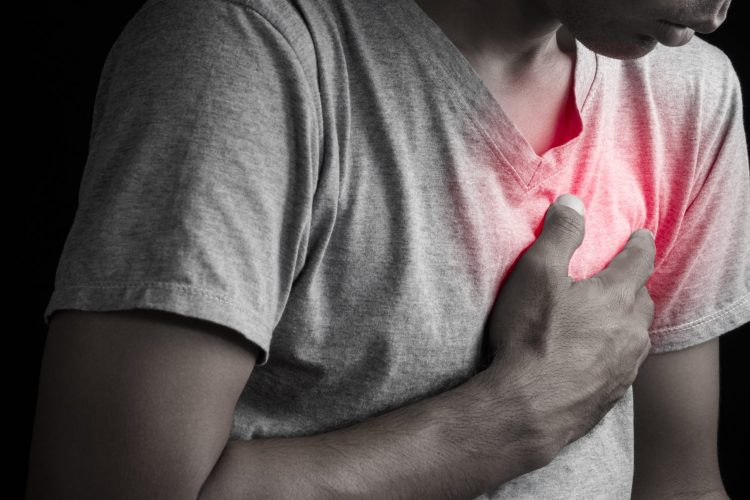
People who misuse ketamine, whether they’re “healthy” or have prior cardiovascular disease, face long-term risks[9] of severe cardiovascular complications.
One recent case report[3] described a 28-year-old woman with a history of heavy, non-medical ketamine use who was hospitalized with severe acute systolic heart failure. Doctors found that her heart’s pumping ability had dropped to just 15%, accompanied by fluid overload and abnormal cardiac biomarkers.
The report concluded that repeated high-dose ketamine use may have directly weakened the woman’s heart muscle over time, reducing its ability to contract effectively. The patient’s heart function improved after she stopped using ketamine and received standard heart-failure treatment, suggesting that cardiac injury may be partially reversible if recognized early, but never worth the risk.
How Avesta Protects Patients
At Avesta Ketamine & Wellness, we protect patients by identifying cardiovascular risk early and managing ketamine’s predictable effects on heart rate and blood pressure in a controlled setting.
Before treatment begins, Avesta’s care team reviews a patient’s:
- medical history
- baseline blood pressure
- heart health
- current medications.
This screening process helps clinicians determine whether ketamine therapy is appropriate, whether additional precautions are needed, or whether treatment should be deferred until a condition is better controlled.
During each session, clinicians continuously monitor vital signs, including blood pressure and heart rate. Providers remain present and ready to adjust dosing, slow or pause infusions, or provide supportive care if a patient’s cardiovascular response exceeds expected ranges. Monitoring continues after treatment until the patient’s vital signs return toward baseline.
At Avesta, patient safety guides every step of care. Avesta’s clinical teams follow evidence-based protocols, tailor treatment plans to individual risk profiles, and maintain close supervision during and after each session. This structured approach allows the clinic’s experienced providers to effectively manage ketamine’s short-term heart effects while prioritizing patient comfort and safety.
Schedule a free consultation with Avesta Ketamine & Wellness to discuss heart safety, screening, and whether ketamine therapy is right for you.
FAQs
Does ketamine raise or lower heart rate?
Ketamine typically raises heart rate and blood pressure rather than lowering them. It stimulates the sympathetic nervous system, so heart rate and blood pressure rise briefly during and shortly after a dose, then return toward baseline within one to two hours.[4] Some people notice this as a temporary sensation of a faster or pounding heartbeat (palpitations). A sustained drop in heart rate is not the typical response to therapeutic ketamine.
Can I get ketamine therapy if I have high blood pressure?
Many people with controlled high blood pressure can still be eligible for ketamine therapy. However, clinics usually treat elevated baseline blood pressure as a reason to pause, optimize, or monitor more closely. For intranasal esketamine (Spravato), the FDA label specifically advises clinicians to assess the risk and, if baseline blood pressure is elevated, delay treatment.[8] The best way to find out if you’re a good candidate for ketamine therapy is to consult with a trusted ketamine clinic and your physicians.
Does ketamine cause permanent heart damage?
Clinically supervised, low-dose ketamine protocols mainly cause temporary changes in heart rate and blood pressure rather than direct heart injury in healthy, screened patients. A different risk picture appears with long-term heavy misuse, where case reports[3] link repeated high-dose exposure to severe heart complications.
How much does blood pressure spike during an infusion?
Studies in healthy adults show a modest, short-term rise during low-dose IV ketamine infusions. One randomized controlled trial reported[2] an average maximum increase of about 13 mmHg in systolic and diastolic blood pressure, with higher single-person peaks reported in that study (up to 27 mmHg systolic and 33 mmHg diastolic), and effects fading within a couple of hours.
Who should avoid ketamine therapy due to heart risks?
People should generally avoid ketamine therapy when a temporary rise in blood pressure or heart rate could be dangerous, such as with poorly controlled cardiovascular disease (including uncontrolled hypertension).[7]
Do IV ketamine therapy and intranasal esketamine affect the heart the same?
Both ketamine and esketamine can temporarily raise blood pressure after a dose, and those changes usually peak while the medicine is active and then fade. In one systematic review and meta-analysis, ketamine was more likely than esketamine to push some people into very high blood pressure ranges, while esketamine showed similar but generally smaller increases in the trials analyzed. Neither drug showed meaningful overall changes in heart rate.[10]
Is ketamine safe for people with a pacemaker or AFib?
A pacemaker or atrial fibrillation (AFib) does not automatically rule out eligibility for ketamine infusions, but it does raise the stakes for screening and monitoring because ketamine can increase heart rate and blood pressure.[11] Avesta typically treats these conditions on a case-by-case basis, depending on the stability of the rhythm, the medication regimen, and overall cardiovascular control.

References
- Exploration of Medicine. “Cardiovascular effects of ketamine.” Accessed July 2026.
- Khoury R, et al. “Factors Influencing the Cardiovascular Response to Subanesthetic Ketamine: A Randomized, Placebo-Controlled Trial.” PMC. Accessed July 2026.
- “Ketamine Induced Acute Systolic Heart Failure.” European Journal of Case Reports in Internal Medicine, 2024. PMC. Accessed July 2026.
- Liu Y, et al. “Hemodynamic Responses to Sub-anesthetic Doses of Ketamine in Patients With Psychiatric Disorders: A Meta-Analysis.” Frontiers in Psychiatry, 2021. Accessed July 2026.
- Hovda N, Gerrish WG, Frizzell W, Shackelford RT. “A systematic review of the incidence of medical serious adverse events in sub-anesthetic ketamine treatment of psychiatric disorders.” Journal of Affective Disorders, 2024;345:262-271. Accessed July 2026.
- “Norepinephrine and the cardiovascular effects of ketamine.” PMC. Accessed July 2026.
- Cohen SP, et al. “Consensus Guidelines on the Use of Intravenous Ketamine Infusions” (ASRA/AAPM/ASA). 2018. PMC. Accessed July 2026.
- U.S. Food and Drug Administration. SPRAVATO (esketamine) nasal spray, full prescribing information. 2025. Accessed July 2026.
- “Cardiovascular and systemic effects of chronic ketamine use.” PMC. Accessed July 2026.
- “Comparative safety and tolerability of ketamine and esketamine for major depressive disorder: a systematic review and meta-analysis.” Frontiers in Pharmacology, 2025. Accessed July 2026.
- “Metabolic Risk Factors and Cardiovascular Safety in Ketamine Use for Treatment-Resistant Depression.” PMC. Accessed July 2026.