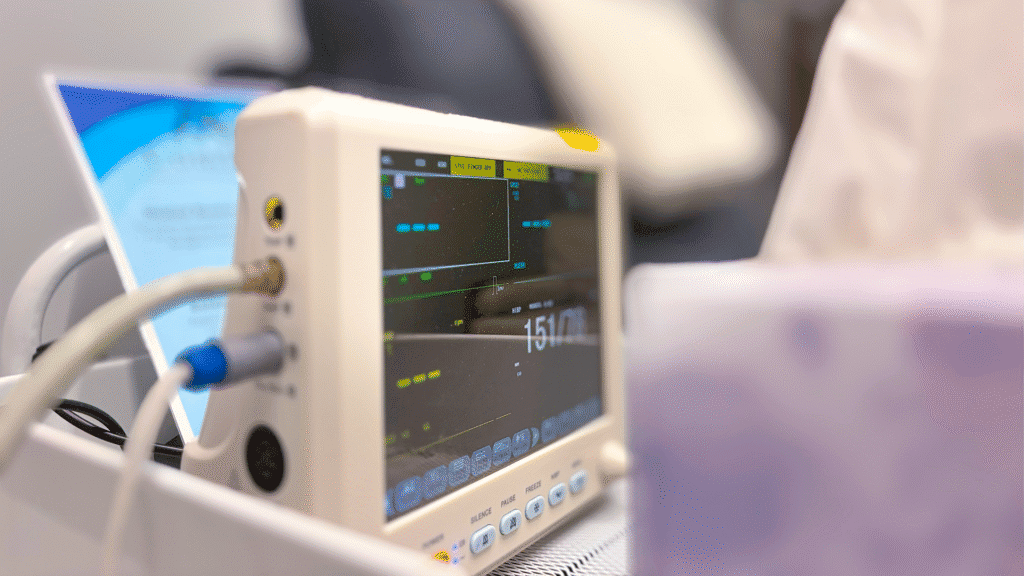
A ketamine clinic is an outpatient facility where professionals administer low-dose infusions or Spravato® to patients with treatment-resistant mental health and chronic pain conditions. Centers range from hospital-affiliated programs to expert-led private practices.
Services, quality, and protocols range from one clinic to the next, leaving open questions about how to find the best ketamine clinic for specific wellness goals.
This guide clarifies what a ketamine clinic is, how they operate, and why choosing a qualified clinic near you matters.
Defining Ketamine Clinics
A ketamine clinic is not so easy to define because of the myriad services and conditions each one treats. Typically, ketamine clinics are centers that employ licensed professionals, such as psychiatrists, anesthesiologists, nurses, nurse practitioners (NPs), and physicians, to administer the medicine, a dissociative anesthetic, in a controlled setting. Clinicians use low doses to ignite a mild psychedelic experience that can spark neural growth and rapid mood enhancement.
The top conditions patients visit ketamine clinics for include:
- Treatment-resistant depression
- Post-traumatic stress disorder (PTSD)
- Suicidality
- Anxiety
- Chronic neuropathic pain
Most ketamine therapy clinics are designed specifically for mental health treatment. However, they do not operate like traditional counseling centers or psychiatric facilities.
Comparing Ketamine Clinics to Traditional Mental Health Practices
Ketamine clinics and traditional mental health centers both help people heal from psychological suffering. However, they differ significantly in how they accomplish this objective.
Traditional clinics rely on gradual approaches like:
- Psychotherapy
- Lifestyle interventions
- Medications such as SSRIs or mood stabilizers.
Ketamine clinics, by contrast, offer an interventional approach to rapidly shift mood and brain function at the biochemical level. They also uniquely provide chronic pain care using higher-dose, multi-day infusion protocols. Most are primarily concerned with infusion safety, efficacy, and clinical monitoring, not talk therapy.
Still, the two models can intertwine. The best ketamine clinics partner with local psychotherapists who attend sessions for ketamine-assisted psychotherapy (KAP) or support patients between infusions. Psychiatrists and primary care providers often stay involved as well, helping ketamine clinicians coordinate medication management and long-term care.
The Science Behind Clinical Ketamine Therapy
Ketamine’s therapeutic power lies in how it changes the brain. Traditional antidepressants target serotonin or dopamine, but ketamine acts on glutamate, the brain’s most abundant neurotransmitter. This cascade restores healthy brain function and helps patients feel relief faster than standard medications.
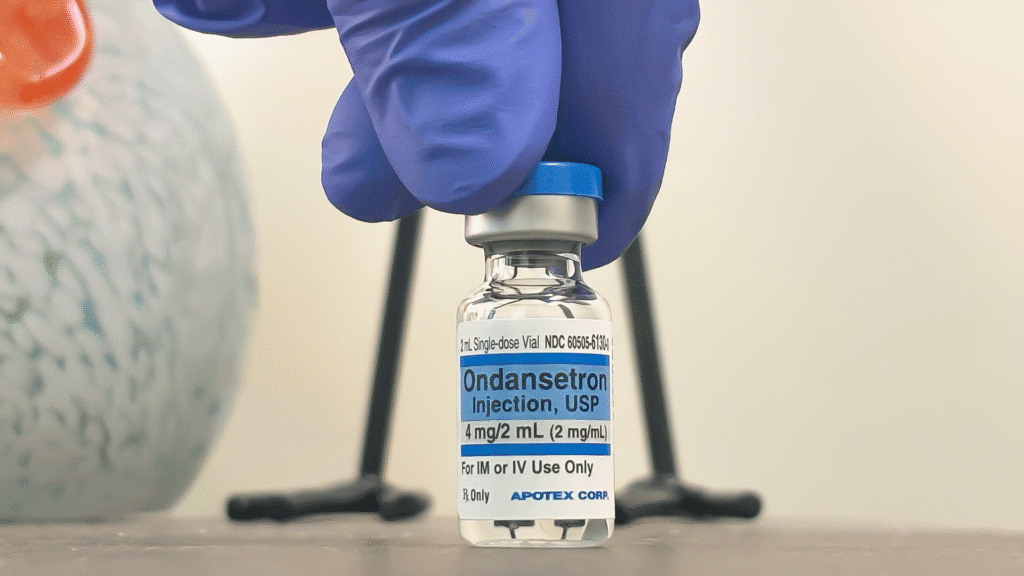
Resetting Glutamate Pathways
Ketamine temporarily blocks NMDA receptors in the brain, which interrupts and “resets” the abnormal glutamate signaling that occurs in depression and chronic stress. This reset improves communication between brain regions that regulate mood and emotion. Many patients feel better within hours, which is why ketamine is also highly effective during suicidal crises.
Rebuilding Brain Connections (Synaptogenesis)
Stress and depression weaken synapses, the connections between neurons. Ketamine reverses this by stimulating new growth in the prefrontal cortex, essentially rewiring brain circuits for resilience. As these connections strengthen, patients often feel more emotionally resilient, better able to manage anxiety, and less “stuck” in negative thought loops.
Boosting Brain Flexibility (Neuroplasticity)
Neuroplasticity is the brain’s ability to form new pathways and adapt to change. In depression and trauma, this flexibility often slows down, leaving people stuck in rigid patterns of negative thinking. Ketamine accelerates neuroplasticity, so patients can better process difficult experiences, adopt healthier coping strategies, and respond more effectively to therapy.
Reducing Inflammation
Research shows depression and chronic pain are linked to inflammation. Ketamine lowers pro-inflammatory signals and boosts protective ones, easing fatigue, low motivation, and pain sensitivity. This mechanism allows ketamine to address the mind-body connection more directly than many standard treatments.
Who Creates Ketamine Clinics—and Why Safety Varies
Ketamine clinics emerge from various origins, and those beginnings shape the level of care patients receive.
Anesthesiologists sometimes establish clinics using their expertise in dosing and monitoring. Psychiatrists open centers with expertise in complex mental health conditions. Nurse practitioners and physician assistants launch practices that integrate physical and psychological care. These professionals follow evidence-based protocols and employ a dynamic, qualified team.
However, safety can vary. NPR reports that the rapid expansion of the “ketamine economy” has produced a patchwork of quality and safeguards across the country.
This variability matters because ketamine side effects include:
- Raising blood pressure and heart rate
- Triggering intense psychological experiences
- Increasing nausea and dizziness
- Heightening risks of bladder irritation with frequent, unsupervised use
- Creating dependence in unmonitored or poorly managed settings
These side effects are expected and do not mean ketamine is unsafe. The difference lies in whether a clinic has qualified clinicians who know how ketamine affects the body, can monitor for complications, and support patients through difficult moments. Reputable clinics provide that structure.
Selecting Your Clinic
Ketamine clinics differ sharply based on the background, knowledge and expertise of the founder. It is important to select trained, knowledgeable providers with a strong anesthesia knowledge, as well as a lot of history providing ketamine for mental health.

At a safety-first ketamine clinic, like Avesta, patients complete health screenings, are seen by trained staff, and receive follow-up support after the infusion. In contrast, other clinics may administer infusions in a shared space without checking for drug interactions or monitoring blood pressure.
Key differences to look out for include:
- Clinical leadership: Licensed clinics should be led by clinical providers with appropriate licensure.
- Safety protocols: Clinics screen patients, not just let anyone in; track vital signs, and follow up after sessions; other providers may skip these steps.
- Controlled environment: Clinics have the equipment and know-how to respond to ketamine side effects or emergencies.
- Care integration: Clinics often collaborate with therapists or psychiatrists to build comprehensive treatment plans.
- Evidence-based practice: Clinics follow evidence-based ketamine therapy protocols and understand the neuroscience behind the drug.
At-Home Ketamine Therapy
At-home ketamine therapy models have become popular through telehealth startups. These companies mail oral ketamine lozenges or compounded nasal sprays to patients. People take the dose at home, sometimes with only a brief virtual check-in.
Early studies suggest that at-home ketamine therapy can reduce symptoms of depression and anxiety, particularly when combined with psychotherapy. However, long-term safety and consistent efficacy research remain limited compared to supervised clinical care.
One case reported by MarketWatch in 2024 illustrates the potential danger of at-home ketamine therapy.
A 35-year-old woman followed instructions from a telehealth provider that conflicted with her prescription, leading her to swallow the saliva from lozenges instead of letting it dissolve. The error doubled her dose, spiking ketamine blood levels to twice the concentration typically used for anesthesia. She required emergency hospitalization but survived after treatment.
The case highlights how errors and a lack of monitoring can turn mental healthcare into a medical crisis. This risk is significantly reduced with reputable clinics that follow strict protocols.
What Research Shows About Ketamine in Clinical Settings
Multiple placebo-controlled trials show that clinical ketamine therapy, delivered under supervision, provides consistent relief for depression, anxiety, PTSD, suicidality, and chronic neuropathic pain.

Depression Treatment
Multiple meta-analyses show rapid and sustained improvement in ketamine patients with treatment-resistant depression (TRD) and major depressive disorder (MDD). Repeated IV ketamine (0.5 mg/kg) and intranasal esketamine (56-84 mg) consistently reduce depressive symptoms within hours to days. Also, Spravato® is FDA-approved for TRD (as an add-on to an oral antidepressant).
Anxiety Management
Ketamine can reduce anxiety by calming overactive brain circuits involved in stress and fear. Early research shows benefits for people with generalized anxiety disorder and other treatment-resistant forms of anxiety. Many patients report noticeable relief after just a few monitored infusions.
Post-Traumatic Stress Disorder (PTSD)
Ketamine can help reset trauma-related brain circuits, reducing intrusive thoughts and hyperarousal. Medical reviews show ketamine often results in short-term symptom reductions, and pairing ketamine with psychotherapy may enhance and extend the benefit.
Suicidality
Studies highlight ketamine’s unique ability to rapidly reduce suicidal ideation. Its effects often occur within 4 to 24 hours after treatment, with benefits that can persist for days to a couple of weeks, especially with repeated dosing.
Chronic pain
By modulating glutamate and inflammatory pathways, ketamine provides relief for conditions like fibromyalgia, complex regional pain syndrome (CRPS), and neuropathic pain. Multiple guidelines support that IV infusions can reduce pain, with benefits lasting up to 12 weeks.
The Treatment Process at a Ketamine Clinic
Ketamine treatment is not “one size fits all.” Clinics like Avesta in DC, Maryland, and Virginia, tweak dosage plans and session frequency to each patient’s needs. Even so, most centers follow a baseline treatment protocol informed by decades of clinical research.
Initial Assessment
Clinicians begin with a thorough intake because ketamine is not appropriate for every person. They review the patient’s medical history, psychiatric background, and current medications. They may also consult with the patient’s primary care physician or therapist to confirm diagnoses and coordinate care.
Some clinics require lab work or cardiovascular screening to rule out conditions that could complicate ketamine treatment, such as uncontrolled hypertension. This careful screening helps identify who is likely to benefit and who may need alternative support.
Infusion Sessions
Once approved, patients begin ketamine treatment under close supervision. Clinicians calculate the initial dose based on body weight and clinical presentation, typically starting at a subanesthetic level.
Infusions usually last 40 minutes for mood disorders and up to four hours for chronic pain. Throughout the session, staff continuously monitor vital signs such as blood pressure, heart rate, and oxygen saturation.
Patients rest in a comfortable treatment room and often experience dissociation or altered perception, which providers normalize and help them navigate. Clinics keep emergency equipment on-site, though complications are rare at therapeutic doses.
Follow-Up & Monitoring
After the infusion, staff check in to ensure stability before patients leave with a trusted loved one. Many clinics schedule follow-up calls and refer patients to local psychotherapists to support integration and track progress across the treatment series.
How Many Ketamine Clinics are in the U.S.?
Reports indicate that between 500 and 750 ketamine clinics exist throughout the United States. Finding the right “ketamine clinic near me” requires more than a quick search. Patients should look for signs of quality, oversight, and long-term support.

Tips for Choosing the Right One
- Understand each Clinic’s experience with Ketamine for Mental Health: Go beyond looking for a licensed provider – look for a clinic that has a strong anesthesia background along with a long history of providing Ketamine specifically for Mental Health.
- Visit the space if possible: Touring the clinic helps you gauge comfort, privacy, and cleanliness in a way a website cannot.
- Compare treatment models: Note whether clinics also offer integration therapy, group support, or wellness add-ons. Match their model to your personal goals.
- Ask about response tracking: Find out how the clinic measures progress—through mood scales, follow-up calls, or collaboration with your therapist. A structured plan shows accountability.
- Check availability and logistics: Consider wait times, clinic hours, and whether the team responds quickly to calls or messages. Consistent accessibility can matter as much as medical oversight.
- Weigh cost against support: Write down what each clinic charges and what services are included. Compare side by side, not just on price, but on the value of safety, follow-up, and patient support.
- Look at patient feedback: Go beyond star ratings. Read reviews and testimonials for details about staff compassion, communication, and follow-up support. Patterns in feedback can reveal strengths or red flags.
Bottom Line
So, what is a ketamine clinic? The best clinics are places where patients receive safe, research-backed care from licensed professionals, leading to breakthroughs for depression, anxiety, PTSD, and chronic pain. At-home options can also benefit people, but the safest and most effective path is through a clinically led, patient-centered clinic.
If you or a loved one is exploring ketamine therapy, Avesta offers expert care in Washington, D.C., Bethesda, MD, Columbia, MD, and Tysons, VA. Schedule a consultation today to take the next step toward lasting mental wellness.