
Home / Conditions
Mental Health & Chronic Pain Conditions We Treat with Ketamine
When conventional antidepressants, therapy, or pain medications have failed to provide relief, ketamine therapy offers an evidence-based alternative working on rapid neuroplastic pathways.
No obligation · No referral needed · We check your benefits up front

Conditions that respond to ketamine therapy
Explore the mood disorders, trauma-related conditions, and chronic pain syndromes treated with evidence-based protocols across our five clinics.
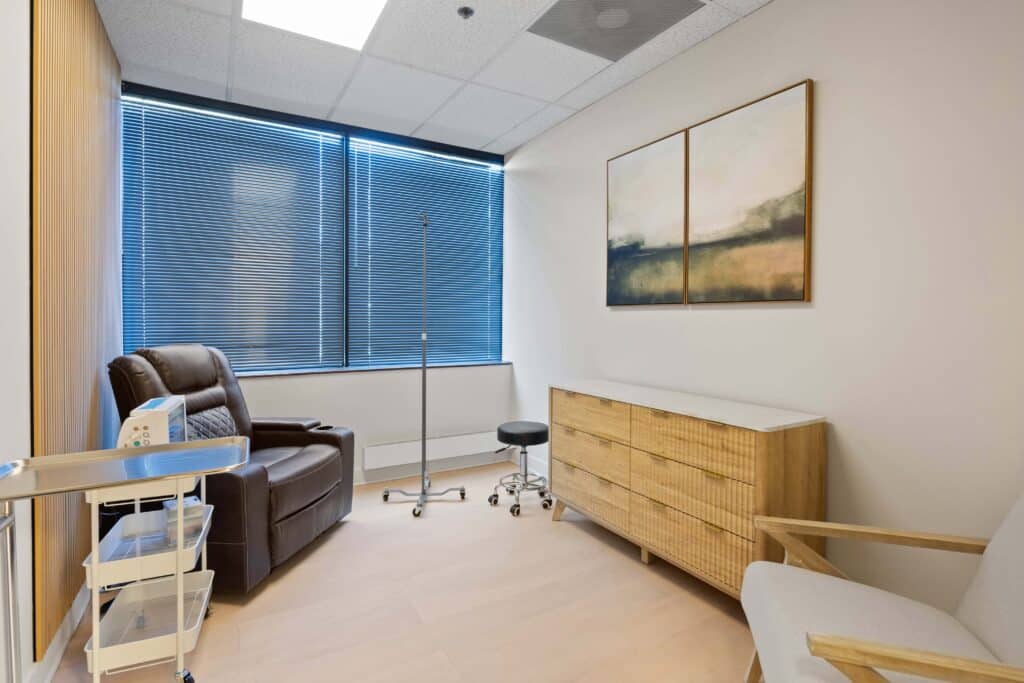
Depression & TRD
When standard SSRIs and SNRIs have not worked, ketamine acts on the glutamate pathway to rebuild synaptic connections in hours or days.
- Major Depression
- TRD
- Rapid Relief
Anxiety & Panic Disorders
Interrupts severe chronic worry, panic loops, and social anxiety by quieting the amygdala and restoring emotional flexibility.
- Generalized Anxiety
- Panic Loops
- Social Anxiety
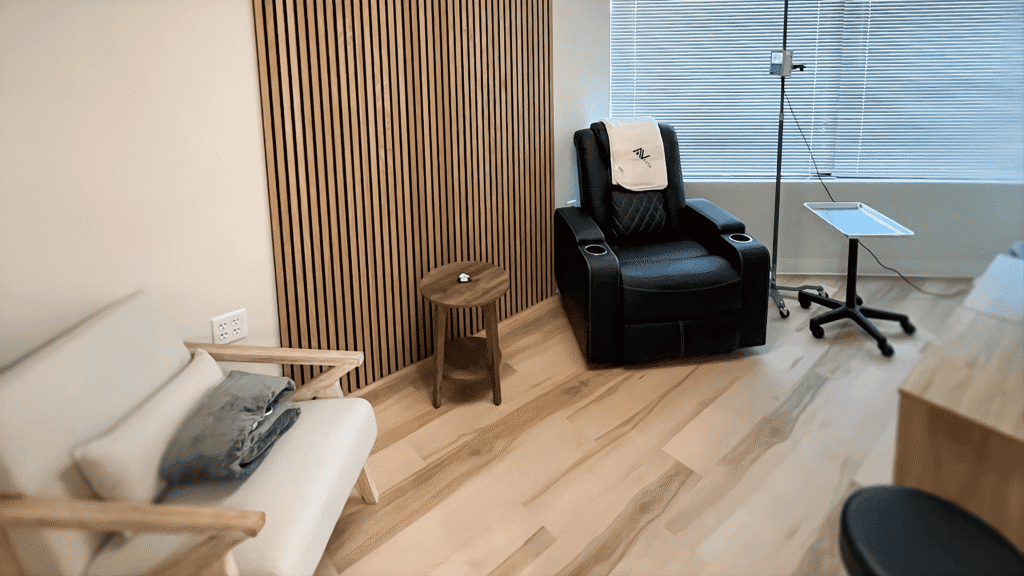
Post-Traumatic Stress (PTSD)
Reduces the emotional charge of traumatic memories and hyperarousal, helping veterans and survivors process trauma without panic.
- Trauma Recovery
- Veterans Care
- Hyperarousal

Bipolar Depression
Carefully monitored protocols for the debilitating depressive phases of bipolar disorder, coordinated closely with your mood stabilizer.
- Bipolar I & II
- Depressive Episodes
- Safety Protocol
Obsessive-Compulsive Disorder
Targets glutamate hyper-excitability in frontostriatal brain circuits to interrupt obsessive thoughts and distressing compulsive rituals.
- Intrusive Thoughts
- Compulsive Loops
- Glutamate

Chronic Pain & Neuropathy
High-dose NMDA receptor blockade helps desensitize centralized pain pathways for fibromyalgia, CRPS, and intractable neuropathic pain.
- CRPS / RSD
- Fibromyalgia
- Neuropathic Pain

Migraines & Headaches
Interrupts central pain sensitization and cortical spreading depression for severe, chronic migraines resistant to conventional meds.
- Chronic Migraine
- Cluster Headaches
- Refractory Pain

Substance Use Disorder
Enhances psychological flexibility and reduces cravings in a controlled clinical environment, coordinated with your recovery program.
- Craving Reduction
- Habit Interruption
- Relapse Prevention
The same standard of care across every condition
Evidence-based medicine, personalized dosing, and dedicated bedside clinical monitoring.
A clinician beside you
Every treatment session is directly monitored 1:1 by licensed CRNAs and psychiatric nurse practitioners. You are never left unattended.
Georgetown academic protocols
Dr. Ladan Eshkevari, PhD, CRNA, FAAN, former Georgetown University Program Director, establishes the evidence-based clinical protocols used across all clinics.
A free consult to begin
Start with a complimentary 30-minute clinical consultation. No referral is needed, and our team verifies your insurance benefits up front.
Insurance accepted at all five clinics
Spravato is in-network with Aetna, Cigna, Maryland Medicaid, Virginia Medicaid, and the VA. For IV ketamine, we provide itemized superbills for out-of-network reimbursement and partner with Advance Care for financing.
See insurance and costsVeterans: VA-covered care close to home
Avesta is an authorized VA Community Care Network provider. Eligible veterans can receive covered Spravato and IV ketamine therapy across our five DMV clinic locations.
Veterans care at AvestaCommon questions about conditions we treat
Clinical answers on candidacy, protocols, insurance, and outcomes. Still have questions? Call (301) 381-8381.
Can ketamine help if traditional psychiatric medications haven’t worked?
Yes. Traditional antidepressants (SSRIs/SNRIs) target monoamines like serotonin and can take 6-8 weeks to take effect, with up to a third of patients experiencing treatment resistance. Ketamine works rapidly on the brain’s NMDA receptors and glutamate pathway, stimulating synaptogenesis and brain-derived neurotrophic factor (BDNF). Studies show approximately 70-80% of patients with treatment-resistant depression experience significant symptom relief, often within 24 to 48 hours.
What conditions respond best to ketamine infusion therapy?
Ketamine is clinically proven to be highly effective for Treatment-Resistant Depression (TRD), Major Depressive Disorder (MDD), Severe Anxiety and Panic Disorders, Post-Traumatic Stress Disorder (PTSD), Bipolar Depression, Obsessive-Compulsive Disorder (OCD), Chronic Pain syndromes (CRPS, fibromyalgia, neuropathy), and refractory migraines.
Can ketamine therapy treat bipolar depression safely?
Yes, ketamine is effective for treating the depressive phase of Bipolar Disorder (Bipolar I and II). Patients must be under psychiatric care and maintained on a mood stabilizer to prevent manic switching. Our clinicians review psychiatric history thoroughly prior to initiating therapy.
How does ketamine relieve chronic neuropathic pain and migraines?
Ketamine blocks NMDA receptors in the central nervous system, helping to ‘reset’ sensitized pain pathways and disrupt the chronic pain signals transmitted to the brain. For neuropathic pain, CRPS, and migraines, ketamine infusions are administered at higher doses and longer durations than for mood disorders.
Who is not a candidate for ketamine therapy?
Contraindications include uncontrolled high blood pressure (hypertension), active psychosis or schizophrenia, active substance intoxication, and unstable cardiovascular disease. Our medical team conducts a thorough medical evaluation prior to starting any treatment to verify your candidacy.
Ready to get started?
Book a free 30-minute consult. No referral needed, and we check your benefits before you commit to anything.