
The Avesta Blog
New to ketamine care? Read these first
Three guides that answer the questions most patients ask before their first visit.

Guides
What is Ketamine and How Does it Work?
Ketamine is a dissociative anesthetic used in surgery and pain management since the 1960s. At clinical doses it is an effective therapy for treatment-resistant depression, PTSD, anxiety and suicidality, and it can relieve chronic pain.

Guides
Is Ketamine Therapy Safe?
The article says ketamine IV infusions for mood disorders and chronic pain are very safe when given by highly trained, board-certified anesthesia providers, and notes the World Health Organization lists ketamine as an essential medicine. The ideal candidate has usually tried other treatments without success.

Pricing
How to Pay for Ketamine Therapy and Reduce Out-of-Pocket Costs
Most patients lower ketamine costs through insurance-based Spravato treatment or IV ketamine supported by reimbursement and other payment tools. Spravato often provides the lowest out-of-pocket cost for patients who qualify.
All articles
Browse by topic
Choose a topic to see every article on it, or scroll for the latest.
Safety
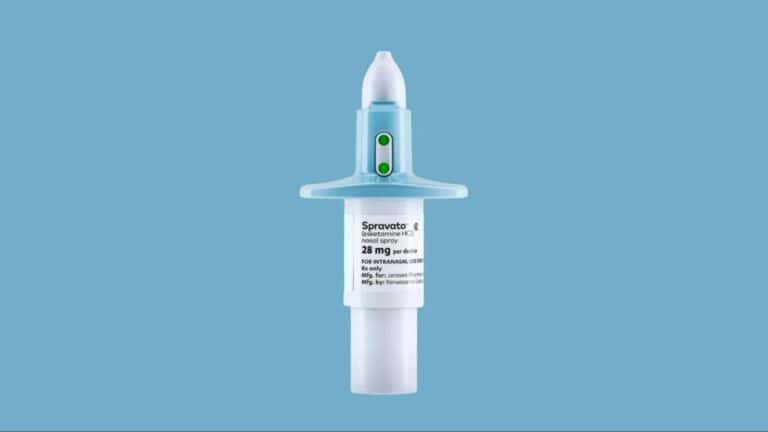
How Long Does Ketamine Nasal Spray Last? Immediate, Short Term, Long Term
Ketamine nasal spray most often means Spravato (esketamine), the only FDA-approved intranasal form. Its dissociative effects usually peak within 30 to 40 minutes and resolve by two hours, and following the full induction and maintenance protocol is crucial for lasting benefits.
Safety
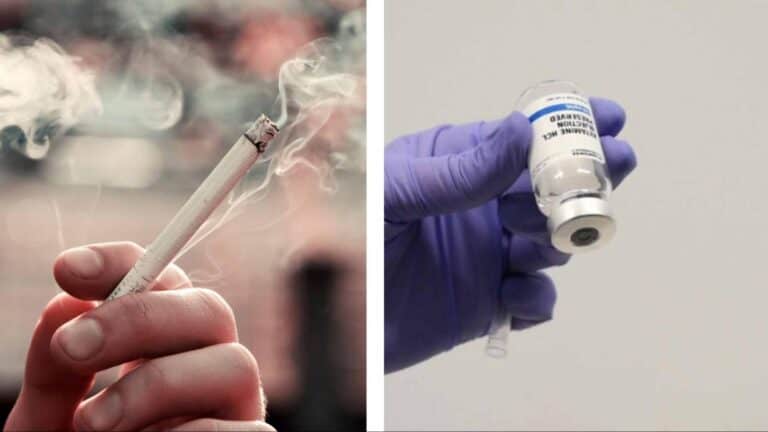
Does Ketamine Show Up on Drug Tests? (5-Panel, 10-Panel, & 12-Panel)
Standard 5-panel, 10-panel and 12-panel drug tests do not screen for ketamine, so routine employment and DOT screens will not flag it. Detection happens only on a specialized panel that lists ketamine.

Safety
Ketamine Side Effects: Short, Long-Term, & Low Dose Risks
Most ketamine side effects are mild and temporary in clinical settings, such as dizziness, nausea, dissociation and a brief rise in blood pressure. Repeated or high-dose use carries greater risks, so structured clinical protocols and a provider who puts safety first matter.

Safety
Ketamine Patients Describe the Dissociative Experience
Ketamine dissociation is a temporary, dose-dependent state of feeling detached from your body, surroundings and sense of self. Most people describe it as floating outside the body or watching themselves from a distance.

Safety
Dose-dependent Psychedelic Effects of Ketamine
Ketamine's dissociative effects depend on dose: high anesthetic doses shut down sensory processing for surgery, while the lower doses used in therapy produce milder, controlled effects. The article explains what to expect and how clinics manage them.

Safety
Understanding Ketamine and Disassociation
Ketamine is a dissociative anesthetic that creates a feeling of detachment from the body and surroundings, and dissociation is a regular part of ketamine therapy that can support healing. The article also explains dissociation as a natural experience and how it appears in mental health disorders.
Safety
How Long Does Ketamine Stay In The System?
After a single dose, ketamine can be detected in urine for 3 to 10 days, and longer with high doses or chronic use. Its byproduct, norketamine, can linger longer, and hair tests can detect it for several months.

Safety
What to Expect from Ketamine Therapy: A Patient’s Honest Guide
Most patients are surprised by how gentle a ketamine infusion feels. You recline in a comfortable chair in a private room, and the article walks through the experience minute by minute, how to prepare and what happens afterward.
The Avesta blog shares general education and is not a substitute for medical advice. Talk to a qualified clinician about your own situation.
Have a question the articles don't answer?
Talk to our team. We check your insurance benefits up front, and no referral is needed.